Category: Healthcare
-

Network Pharmacology: A Systems-Level Lens on Drugs and Disease
Network pharmacology is an integrated approach that combines insights from bioinformatics, systems biology, and pharmacology to help us view biological systems as a complex, interwoven network. This, in turn, allows for a more accurate, efficient, and holistic understanding of health and disease.
-

Medication Expiration: Stability, Safety, and Practical Implications
Understanding medication expiration requires balancing safety with practicality. While expiration dates mark the end of guaranteed potency, most drugs degrade gradually rather than becoming immediately harmful. Chemical stability depends on the specific formulation, storage conditions, and the clinical necessity for precise dosing in certain medical treatments.
-

Immunotherapy: Harnessing the Body’s Own Power to Fight Disease
In modern times, immunotherapy has revolutionized medical treatment and is being used to address a wide spectrum of diseases. Unlike traditional treatment methods that directly interact with the disease-causing agents, immunotherapy alters one’s own immune system to empower the body’s natural defense mechanisms for health restoration.
-

Huntington’s Disease: A Genetic Tragedy of the Brain
Huntington’s disease is a rare, inherited brain disorder that damages movement, cognition, and mental health. Caused by a genetic mutation, it worsens over time with no cure, but research into gene-silencing, neuroprotection, and biomarkers brings hope for future treatments alongside supportive, multidisciplinary care.
-

Spectroscopy and Imaging in Biology: Unveiling the Hidden Complexity of Life
Spectroscopy and imaging techniques unveil life’s complexity by studying electromagnetic radiation interactions with matter. They provide unparalleled insight into molecular composition, structure, and function, and helps scientists to determine “what” molecules are present, “how much,” and “where” they are located across all biological scales.
-
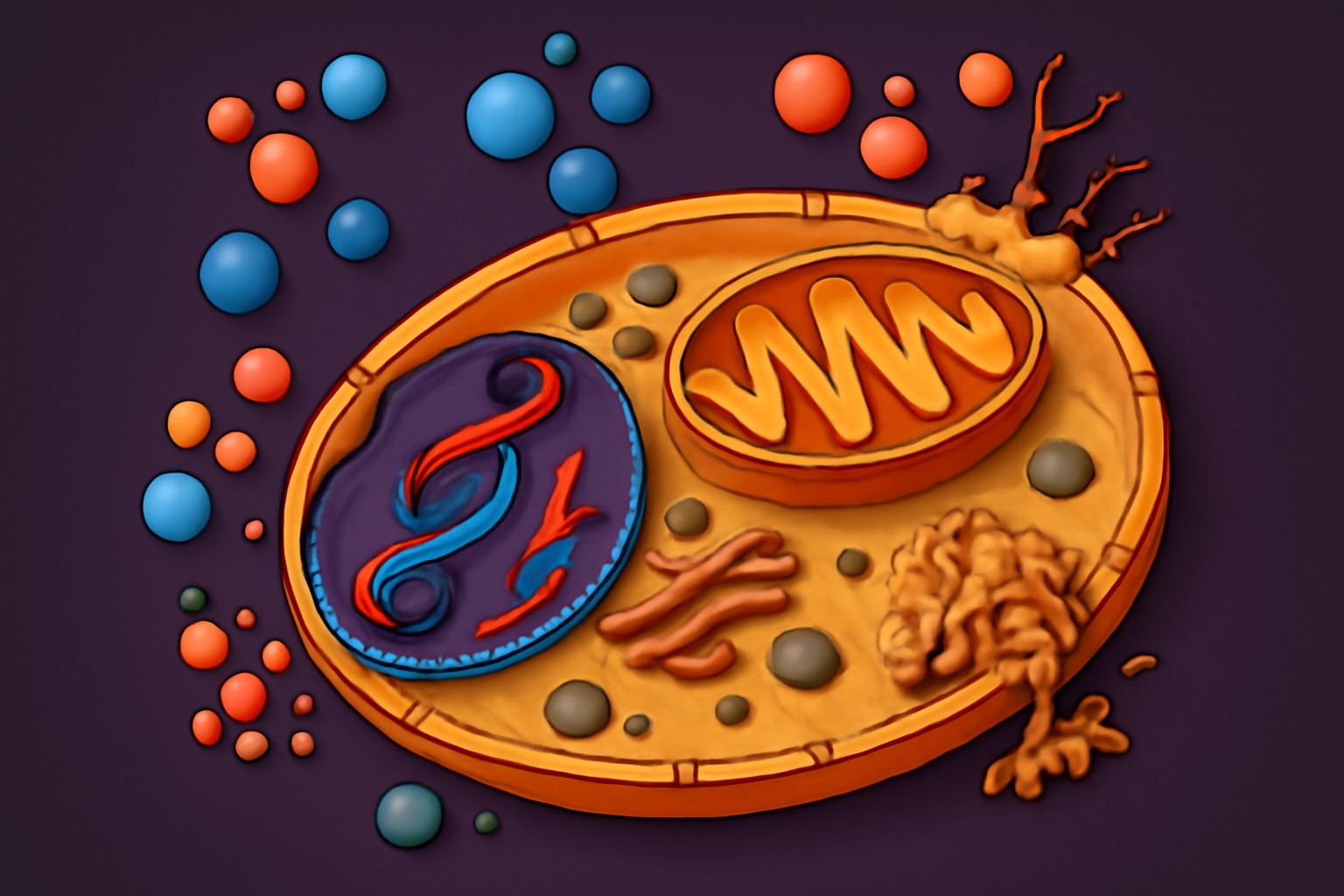
The Double-Edged Sword: Understanding Reactive Oxygen Species and Oxidative Stress
Reactive Oxygen Species (ROS) are vital for cell signaling but harmful in excess, causing oxidative stress that damages cells and contributes to aging and diseases. Maintaining balance through antioxidants and healthy lifestyle choices is key to protecting cellular health and preventing chronic conditions.
-
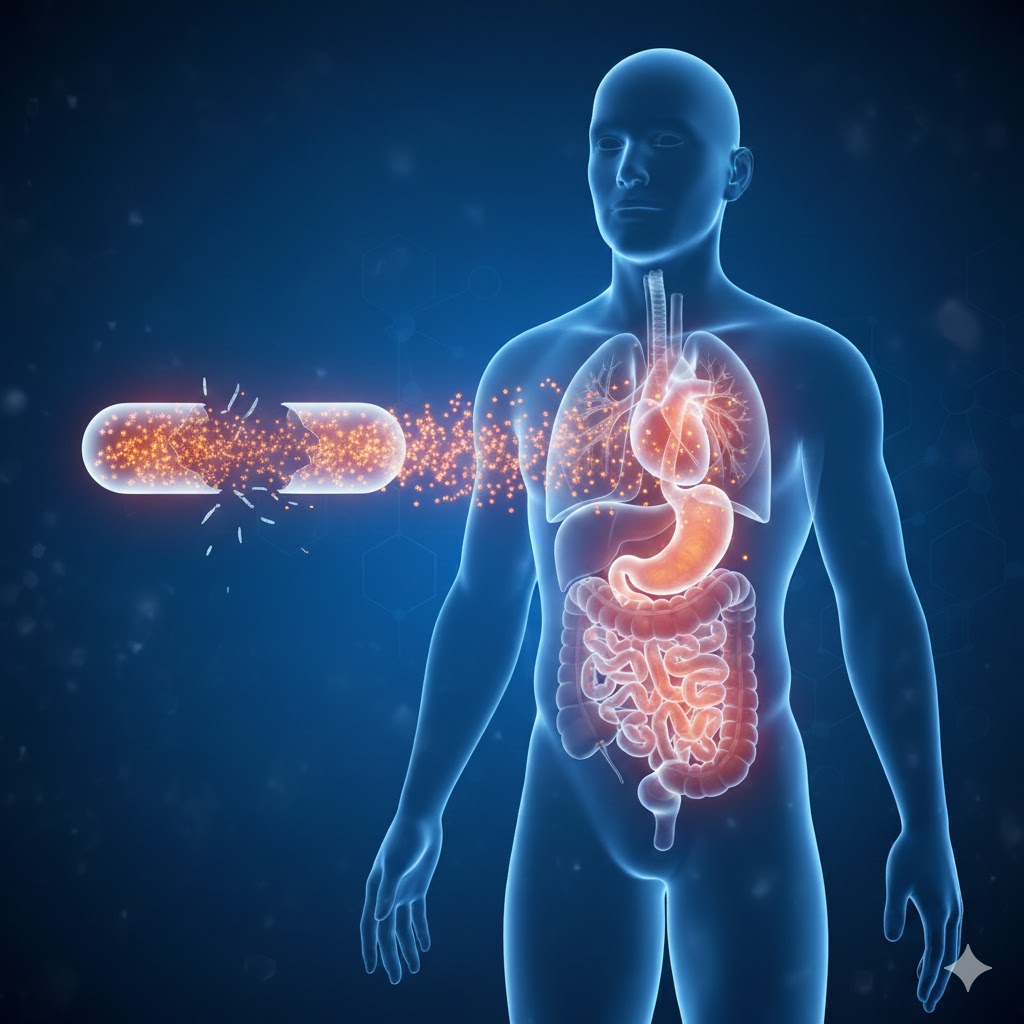
Drug Delivery: Principles, Importance, and Advances in Therapeutic Administration
Drug delivery is the science and practice of administering a pharmaceutical compound to achieve a therapeutic effect, aiming to get the right drug to the right place at the right time. This interdisciplinary field is fundamentally transforming how diseases are treated by controlling the drug’s behavior in the body.
-

Biomarkers: Vital Tools Transforming Medicine and Research
Biomarkers, as measurable indicators of biological states, are revolutionizing medicine, enabling earlier diagnosis, personalized therapies, and efficient drug development. Their future is driven by multi-omics, liquid biopsies, and artificial intelligence, but realizing full potential requires rigorous validation and addressing ethical governance.
-
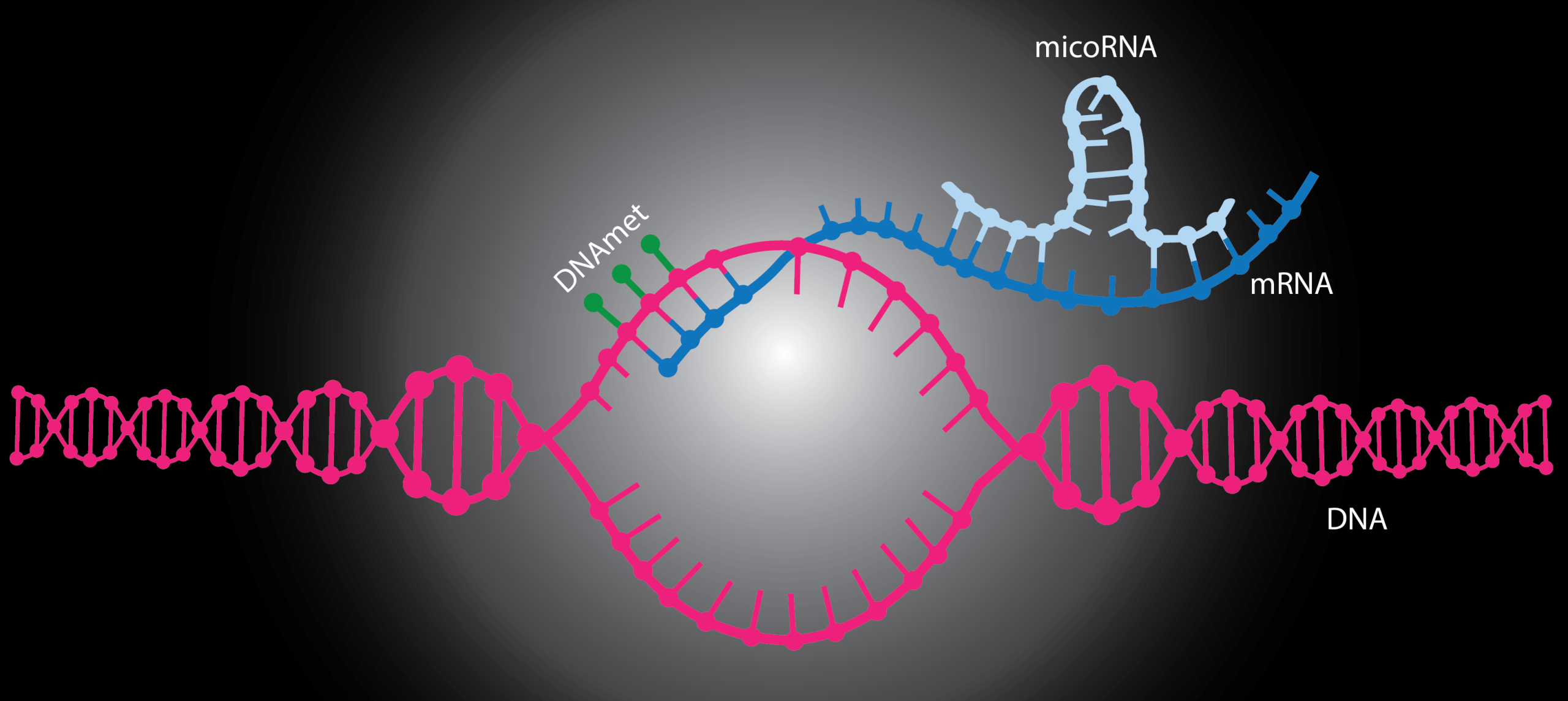
Multi-Omics Analysis: Deciphering Biological Complexity at Scale
Living systems are choreographed across numerous molecular levels, each affecting and reacting to the others in an ongoing dance. Multi-omics analysis is the scientific revolution that combines these disparate layers—genomics, transcriptomics, proteomics, metabolomics, epigenomics, microbiomics, and others, presenting a wide-angle, systems-level perspective on biology that any single method cannot.
-

Autism Spectrum Disorder: The Diversity Within Neurodiversity
Autism Spectrum Disorder (ASD) is a complex neurodevelopmental condition characterized by persistent difficulties in social communication and interaction, with restricted, repetitive behaviors and interests. ASD varies widely in severity and presentation, affecting individuals across all backgrounds. Early intervention improves outcomes, but ASD is lifelong and requires personalized support.