Category: Healthcare
-

Systemic Lupus Erythematosus: Understanding the Disease and the Path to an Immune Reset
Systemic Lupus Erythematosus is a complex autoimmune disorder where immune defenses attack healthy tissues, which leads to widespread inflammation. Driven by genetic and environmental triggers, the disease produces autoantibodies that damage organs like the kidneys. Emerging CAR-T therapies now aim to reset the immune system, which offers hope for remission.
-

Sleep Apnea: The Physics of Airway Collapse and Neuromuscular Failure
Sleep apnea is a systems-level disorder involving airway mechanics and neural signaling. It causes repeated breathing pauses, sleep fragmentation, and chronic oxygen deprivation. This cycle triggers systemic inflammation, cardiovascular risk, and metabolic dysfunction. Modern treatment increasingly integrates neuromuscular, metabolic, and mechanical strategies to restore breathing stability and improve long-term outcomes.
-

Xenotransplantation: Can pigs solve the organ shortage?
Xenotransplantation uses genetically-edited pig organs to address the organ shortage crisis. CRISPR knocks out rejection triggers such as alpha-gal and porcine viruses, enabling pig hearts and kidneys to function in humans for weeks. Clinical trials show promise in overcoming immune barriers and zoonotic risks, though ethical debates are still ongoing.
-
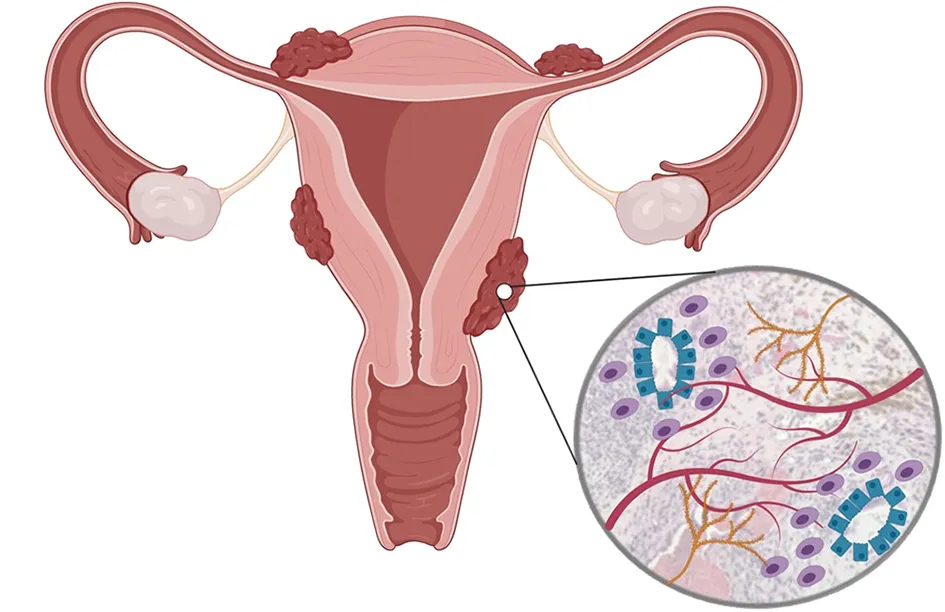
Endometriosis: The Silent Epidemic of Tissue Misplacement
Endometriosis is a chronic condition affecting nearly 190 million people worldwide. It occurs when tissue resembling the uterine lining grows outside the uterus, triggering inflammation and persistent pain. Advances in imaging and artificial intelligence are improving earlier diagnosis and enabling more personalized treatment approaches.
-

Acute Respiratory Distress Syndrome: From Cytokine Storm to Precision Recovery
Acute Respiratory Distress Syndrome is a systemic inflammatory syndrome where a cytokine storm disrupts the alveolar-capillary barrier, causing fluid accumulation and multiorgan dysfunction. Precision phenotyping distinguishes hyperinflammatory and hypoinflammatory subphenotypes, and guides treatments like lung-protective ventilation and prone positioning to manage the exudative and fibrotic phases for improved precision recovery.
-

Sickle Cell Disease: From Genetic “Glitch” to Molecular Cure
Sickle cell disease arises from a mutation in the β-globin gene that produces hemoglobin S and distorts red blood cells. Once viewed as hereditary anemia, it is now recognized as a systemic vascular disorder. Advances in molecular therapies, gene editing, and digital health are transforming treatment, bringing cures closer.
-

Liquid Biopsies: Non-Invasive Insights into Cancer and Beyond
Liquid biopsies offer non-invasive cancer detection via blood markers like ctDNA, CTCs, exosomes, and microRNAs, surpassing tissue biopsies. They enable early screening, treatment monitoring, minimal residual disease detection, and applications in prenatal testing, transplants, and infections. Despite challenges, they offer advantages such as repeatability and low cost and hold promises.
-

Artificial Intelligence Applications in Healthcare and Biology Research
Artificial Intelligence is rapidly transforming healthcare and biology research by helping to analyze vast, complex data, enhancing diagnosis, enabling personalized medicine, and accelerating drug discovery. It optimizes workflows, improves public health responses, and fuels biological research. Safe adoption requires addressing challenges like data privacy, black box transparency, and bias.
-
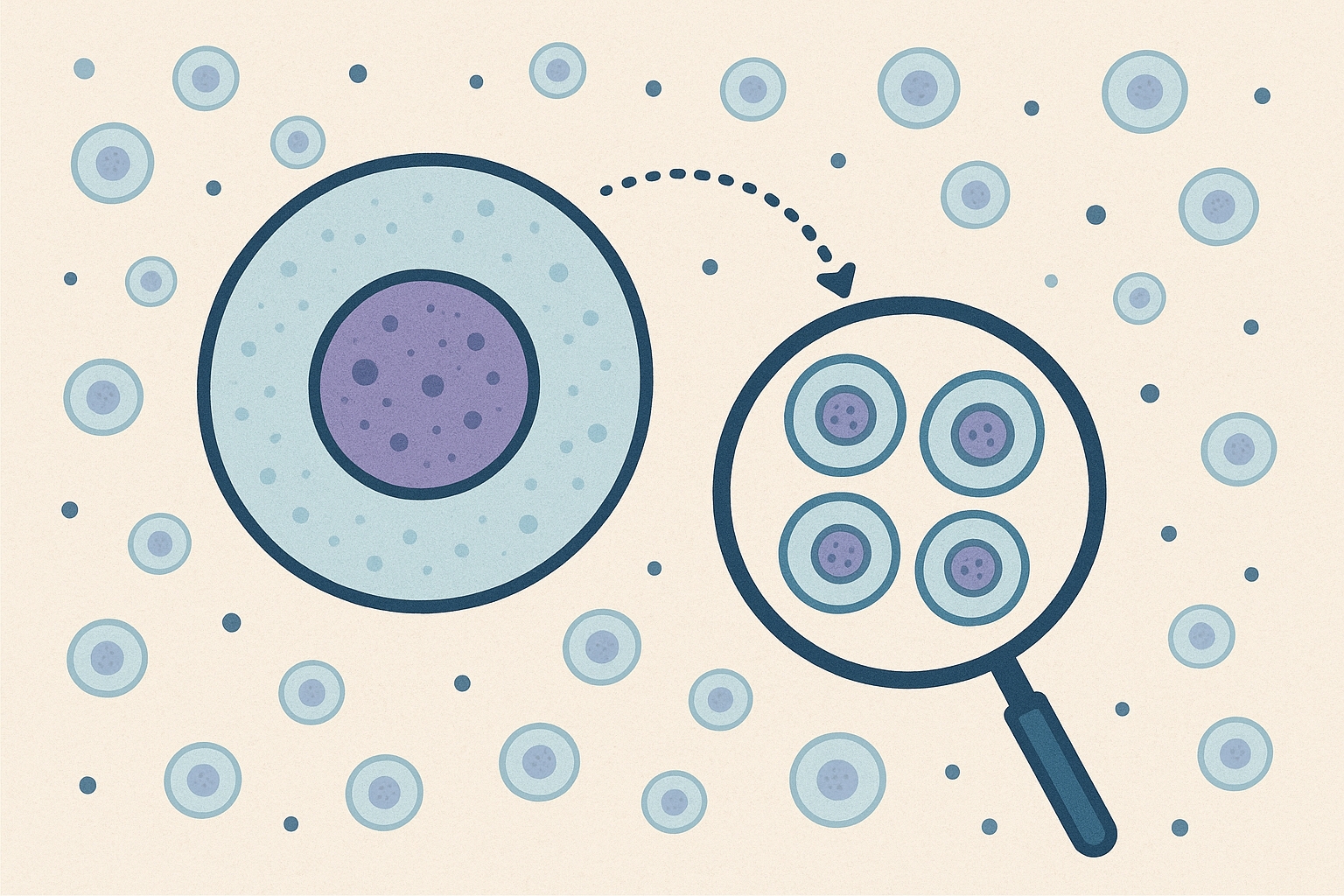
Single-Cell Technology: Unveiling Cellular Heterogeneity for Precision Biology and Medicine
Single-cell technology uncovers an unparalleled degree of cellular heterogeneity by enabling molecular analysis of single cells, in contrast to averaging signals from millions of cells in conventional bulk approaches. This new standpoint has revealed rare cell types, transient cellular conditions, and subtle distinctions that were previously inaccessible.
-
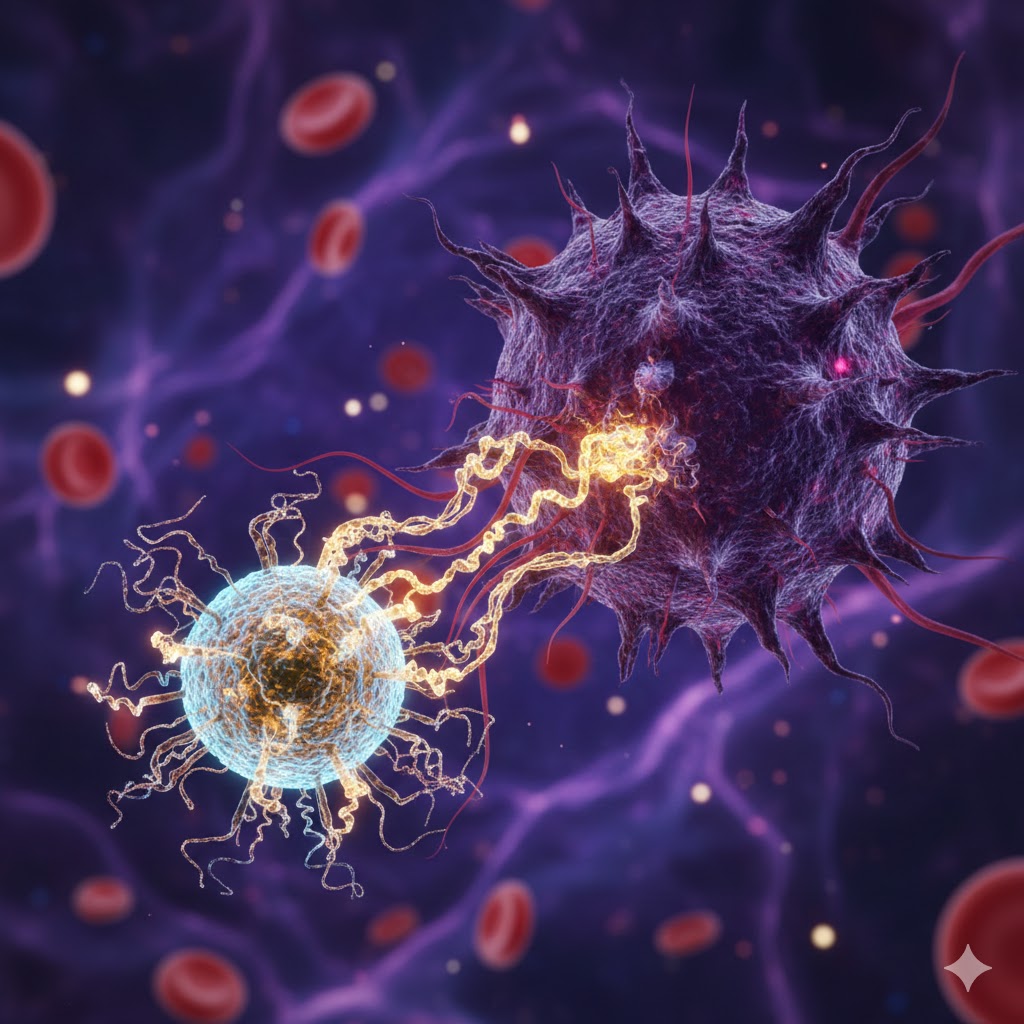
CAR T-Cell Therapy: Reprogramming Immunity to Conquer Cancer
CAR T-cell therapy engineers a patient’s T-cells to target and destroy cancer, offering hope for blood cancers resistant to treatment. Despite challenges like toxicities and high costs, advancements in design, toxicity management, and manufacturing are widening its potential, marking a transformative leap in personalized cancer treatment.