Category: Healthcare
-
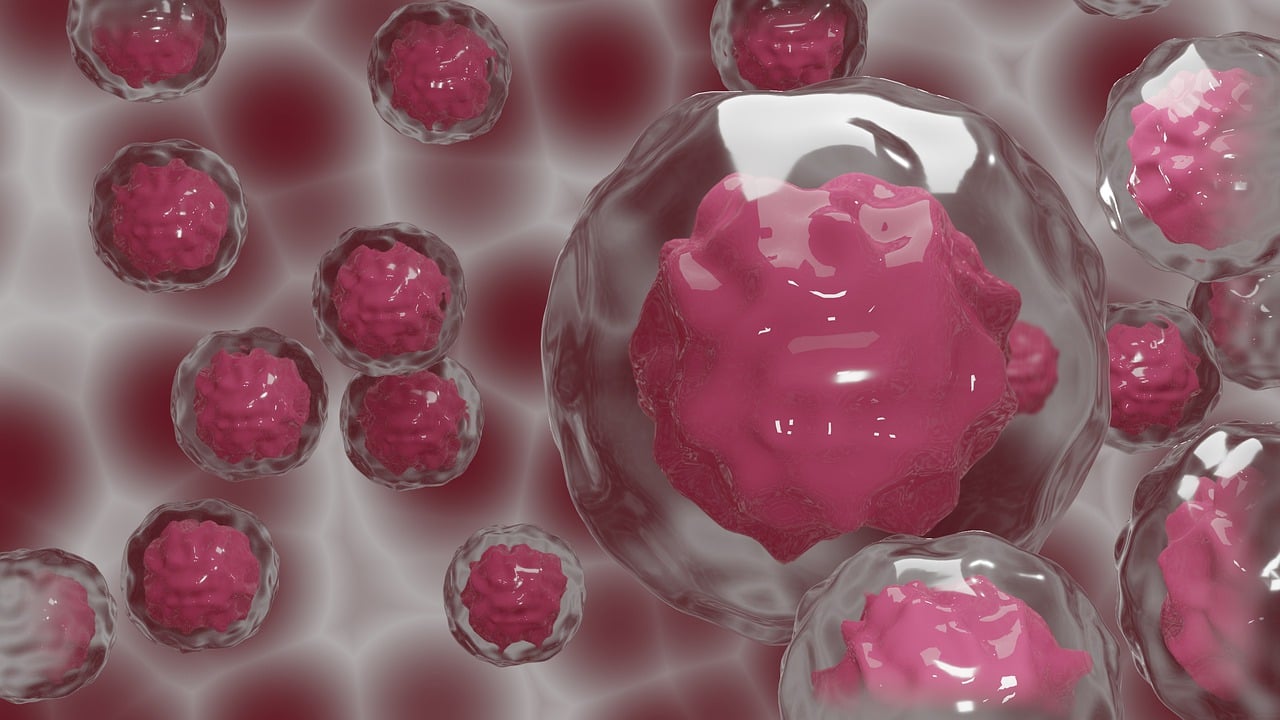
Organoids and Stem Cell-Derived Cultures: Miniature Organs, Major Breakthroughs
Organoids are multicellular organ-like structures made from stem cells that self-assemble and replicate the architecture, cellular complexity, and sometimes the function of actual organs, all in the lab. For many decades, scientists have used flat, two-dimensional cell cultures—easy, but far from the complexity of natural tissues. Organoids and similar stem cell-derived models fill this gap.
-
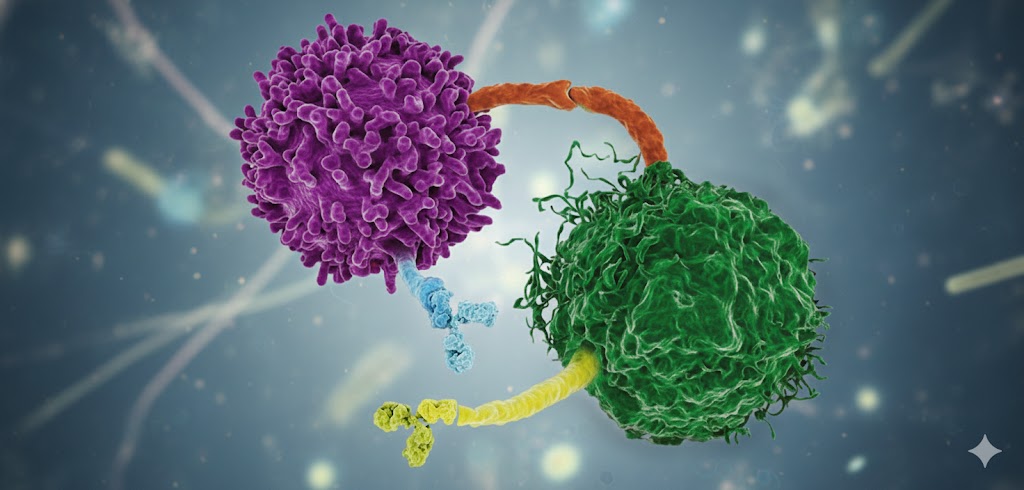
Immune Checkpoint Inhibitors: Unleashing the Body’s Natural Cancer Fighters
Immune checkpoint inhibitors have revolutionized treatment for multiple advanced cancers by releasing the brakes on T-cells. They do so by reactivating the immune system to target cancer cells, but can cause immune-related side effects. Ongoing research focuses on enhancing efficacy, managing resistance, and encouraging personalized therapies.
-
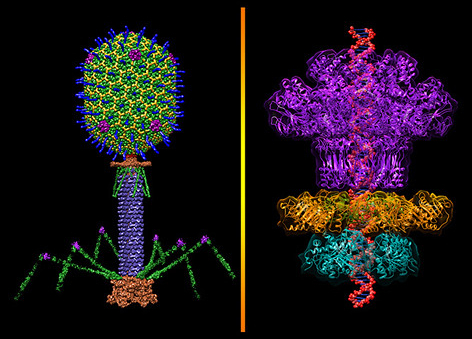
Phage Therapy: A Resurgent Solution to the Antibiotic Resistance Crisis
A number of promising strategies are now being employed to counter the threat of AMR, and among them phage therapy is noteworthy. This promising, re-emerging approach utilizes bacteriophages—viruses that exclusively infect and kill bacteria. Phage therapy isn’t new; its history dates back to the early 20th century.
-
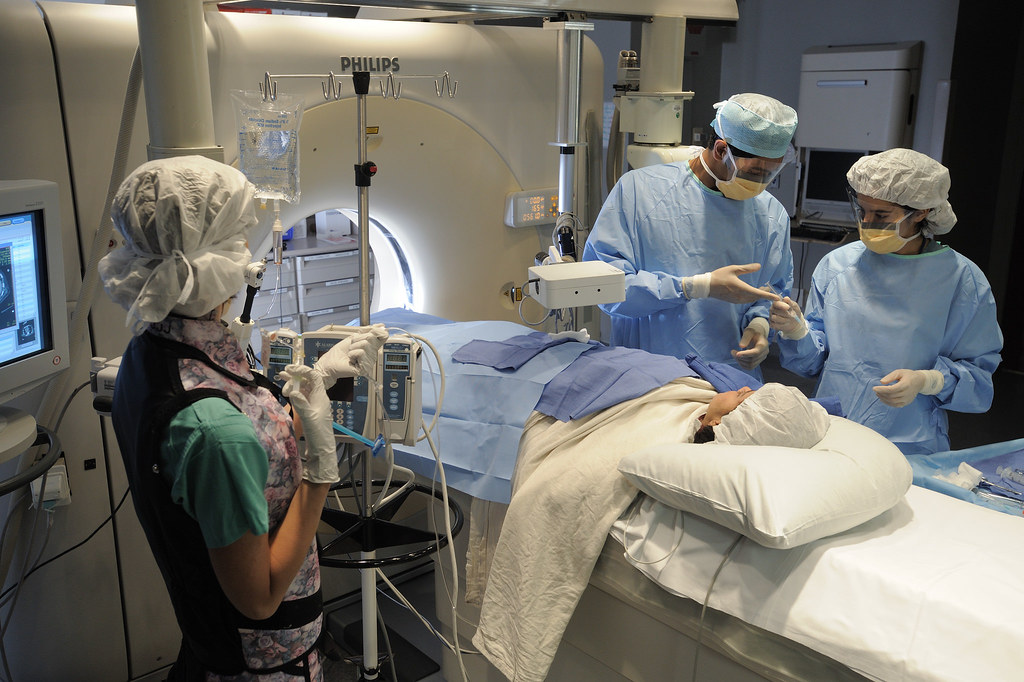
Theranostics: The Future of Integrated Diagnosis and Therapy
Traditional medicine often separates diagnosis from treatment. Theranostics flips this on its head. It uses molecular imaging to find disease-specific biomarkers. And upon finding them, the same or a similar molecule delivers the therapy with high precision and fewer side effects, and can check almost in real-time if the therapy is actually working.
-

Alzheimer’s Disease: Unraveling the Enigma of Memory Loss
Alzheimer’s is a neurodegenerative disorder marked by amyloid plaques and tau tangles that lead to progressive memory loss and brain inflammation. With rising global prevalence, it poses immense medical and social challenges. Advances in biomarkers and therapies offer hope, with integration of prevention, precision medicine, and caregiver support being key to managing its burden.
-
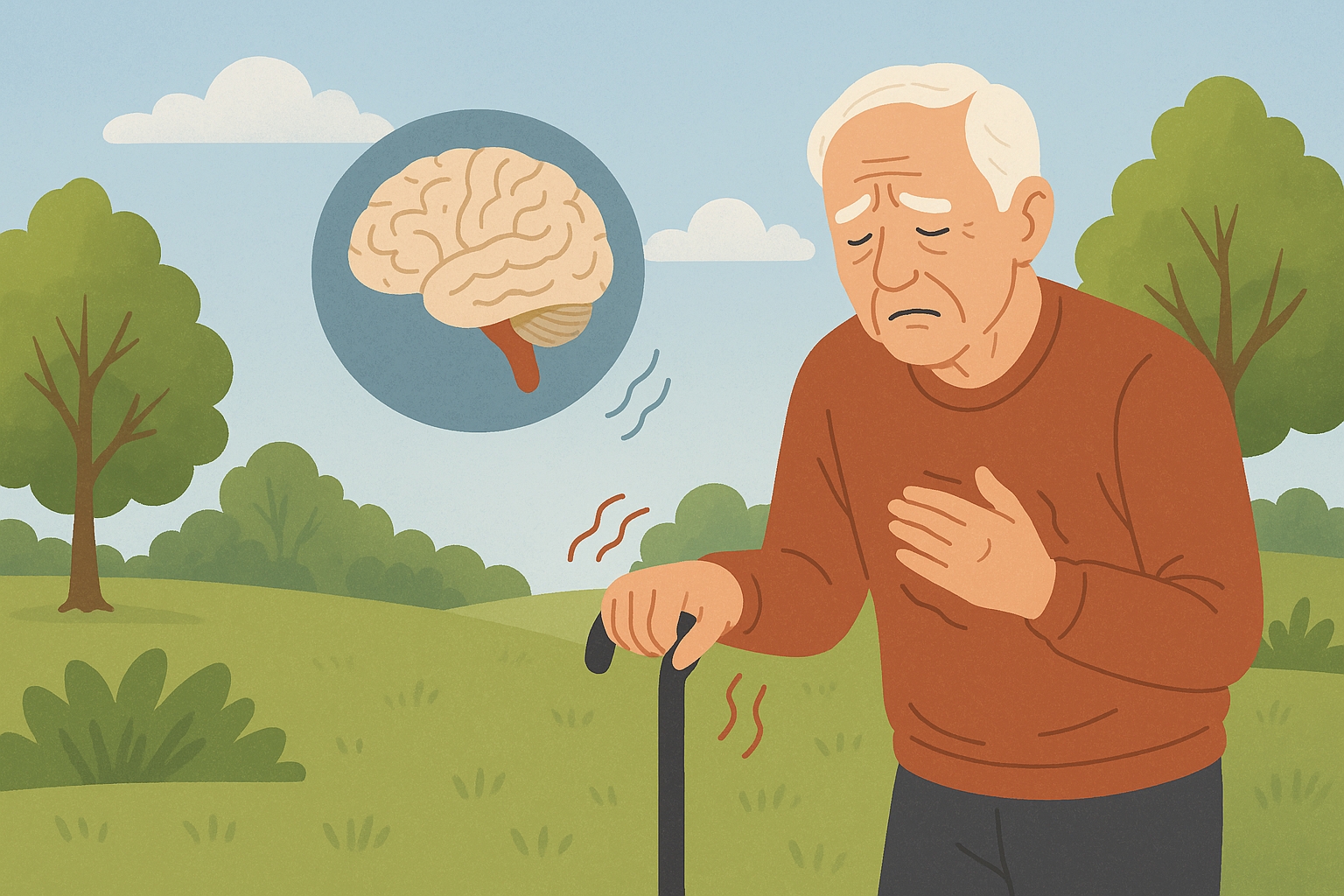
Parkinson’s Disease: Symptoms, Causes, and Emerging Insights
Parkinson’s disease is a progressive neurodegenerative condition that affects millions of people globally, and is the second most prevalent neurodegenerative disease after Alzheimer’s. PD primarily involves the relentless neurodegeneration of neurons in one section of the brain named the substantia nigra, the very same cells that are responsible for generating dopamine.
-

Immunophenotyping: Decoding Cells by Their Surface Markers
Immunophenotyping is a sophisticated laboratory technique that allows scientists and clinicians to rapidly distinguish between various cell types within a heterogeneous sample. This makes it possible to track their differentiation and activation states and identify abnormal cell populations. Immunophenotyping relies on the remarkable specificity of antigen-antibody interactions.
-
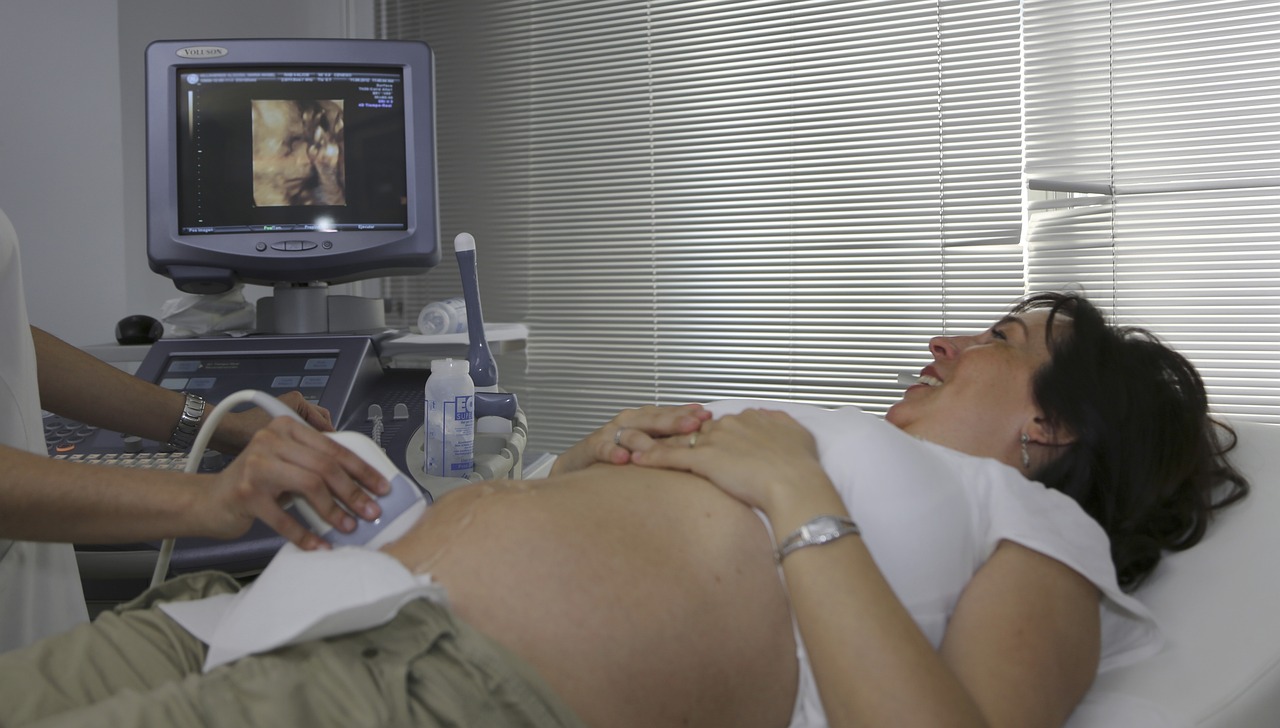
Ultrasound Imaging: A Mature Diagnostic Pillar Embracing Emerging Frontiers
Ultrasound imaging has long played a key role in medical diagnosis, particularly in the fields of obstetrics, cardiology, and abdominal imaging. It is one of the safest medical imaging modalities available. It doesn’t use ionizing radiation, and the sound waves used are at very low power and do not cause any known harmful effects.
-

Autoimmune Disorders: When the Body Attacks Itself
Autoimmune disorders are a group of conditions in which the immune system mistakenly attacks the body’s own cells, tissues, or organs. This process can cause ongoing inflammation and tissue damage, leading to various health challenges. Autoimmune diseases impact millions of people worldwide.
-
Disease Modeling: Recreating Illness to Conquer It
Has it ever occurred to you how we can study diseases without endangering human lives? Disease modeling makes this possible by recreating illnesses under controlled conditions—whether in cells, animals, or computers—to understand what drives disease and how we might intervene more effectively.