Category: Genetics
-

Systemic Lupus Erythematosus: Understanding the Disease and the Path to an Immune Reset
Systemic Lupus Erythematosus is a complex autoimmune disorder where immune defenses attack healthy tissues, which leads to widespread inflammation. Driven by genetic and environmental triggers, the disease produces autoantibodies that damage organs like the kidneys. Emerging CAR-T therapies now aim to reset the immune system, which offers hope for remission.
-

Sleep Apnea: The Physics of Airway Collapse and Neuromuscular Failure
Sleep apnea is a systems-level disorder involving airway mechanics and neural signaling. It causes repeated breathing pauses, sleep fragmentation, and chronic oxygen deprivation. This cycle triggers systemic inflammation, cardiovascular risk, and metabolic dysfunction. Modern treatment increasingly integrates neuromuscular, metabolic, and mechanical strategies to restore breathing stability and improve long-term outcomes.
-

Sickle Cell Disease: From Genetic “Glitch” to Molecular Cure
Sickle cell disease arises from a mutation in the β-globin gene that produces hemoglobin S and distorts red blood cells. Once viewed as hereditary anemia, it is now recognized as a systemic vascular disorder. Advances in molecular therapies, gene editing, and digital health are transforming treatment, bringing cures closer.
-

Liquid Biopsies: Non-Invasive Insights into Cancer and Beyond
Liquid biopsies offer non-invasive cancer detection via blood markers like ctDNA, CTCs, exosomes, and microRNAs, surpassing tissue biopsies. They enable early screening, treatment monitoring, minimal residual disease detection, and applications in prenatal testing, transplants, and infections. Despite challenges, they offer advantages such as repeatability and low cost and hold promises.
-
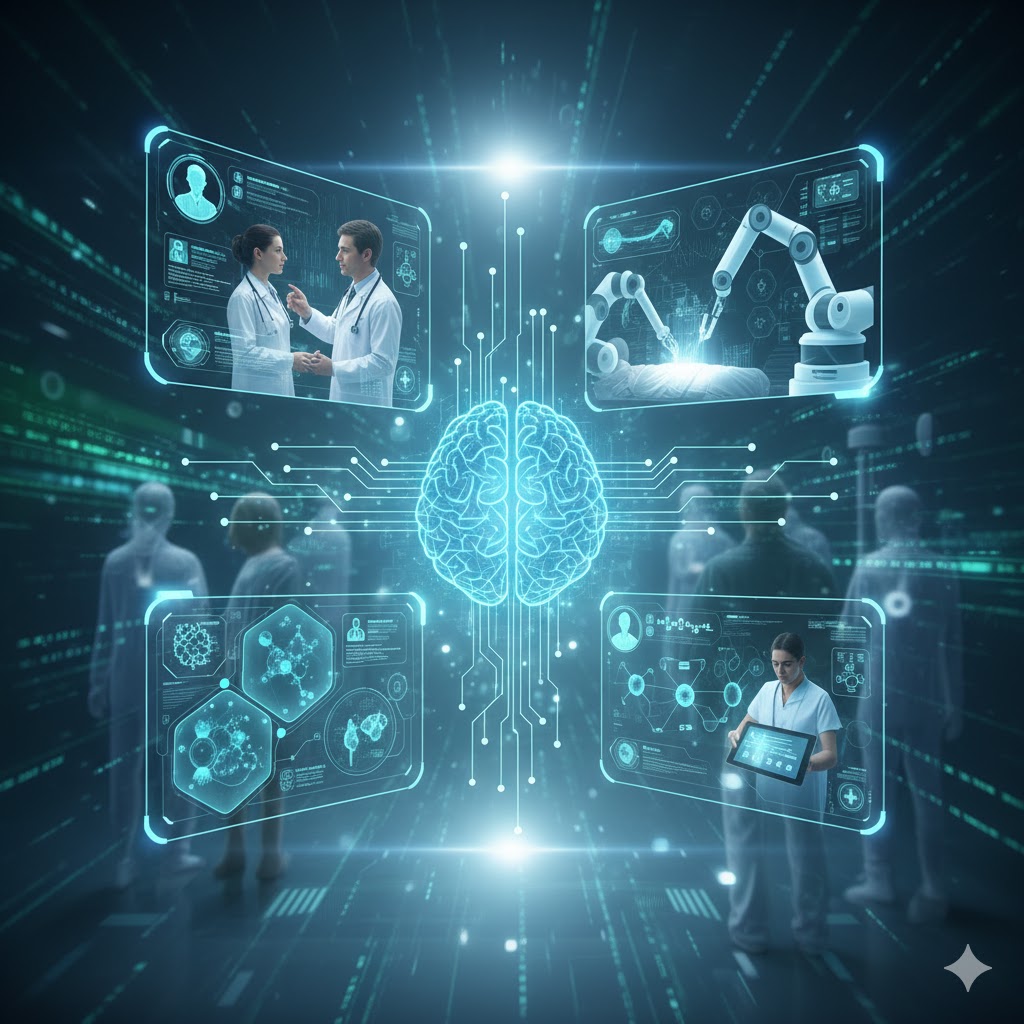
Artificial Intelligence Applications in Healthcare and Biology Research
Artificial Intelligence is rapidly transforming healthcare and biology research by helping to analyze vast, complex data, enhancing diagnosis, enabling personalized medicine, and accelerating drug discovery. It optimizes workflows, improves public health responses, and fuels biological research. Safe adoption requires addressing challenges like data privacy, black box transparency, and bias.
-

Alzheimer’s Disease: Unraveling the Enigma of Memory Loss
Alzheimer’s is a neurodegenerative disorder marked by amyloid plaques and tau tangles that lead to progressive memory loss and brain inflammation. With rising global prevalence, it poses immense medical and social challenges. Advances in biomarkers and therapies offer hope, with integration of prevention, precision medicine, and caregiver support being key to managing its burden.
-

Autoimmune Disorders: When the Body Attacks Itself
Autoimmune disorders are a group of conditions in which the immune system mistakenly attacks the body’s own cells, tissues, or organs. This process can cause ongoing inflammation and tissue damage, leading to various health challenges. Autoimmune diseases impact millions of people worldwide.
-

Network Pharmacology: A Systems-Level Lens on Drugs and Disease
Network pharmacology is an integrated approach that combines insights from bioinformatics, systems biology, and pharmacology to help us view biological systems as a complex, interwoven network. This, in turn, allows for a more accurate, efficient, and holistic understanding of health and disease.
-

Huntington’s Disease: A Genetic Tragedy of the Brain
Huntington’s disease is a rare, inherited brain disorder that damages movement, cognition, and mental health. Caused by a genetic mutation, it worsens over time with no cure, but research into gene-silencing, neuroprotection, and biomarkers brings hope for future treatments alongside supportive, multidisciplinary care.
-
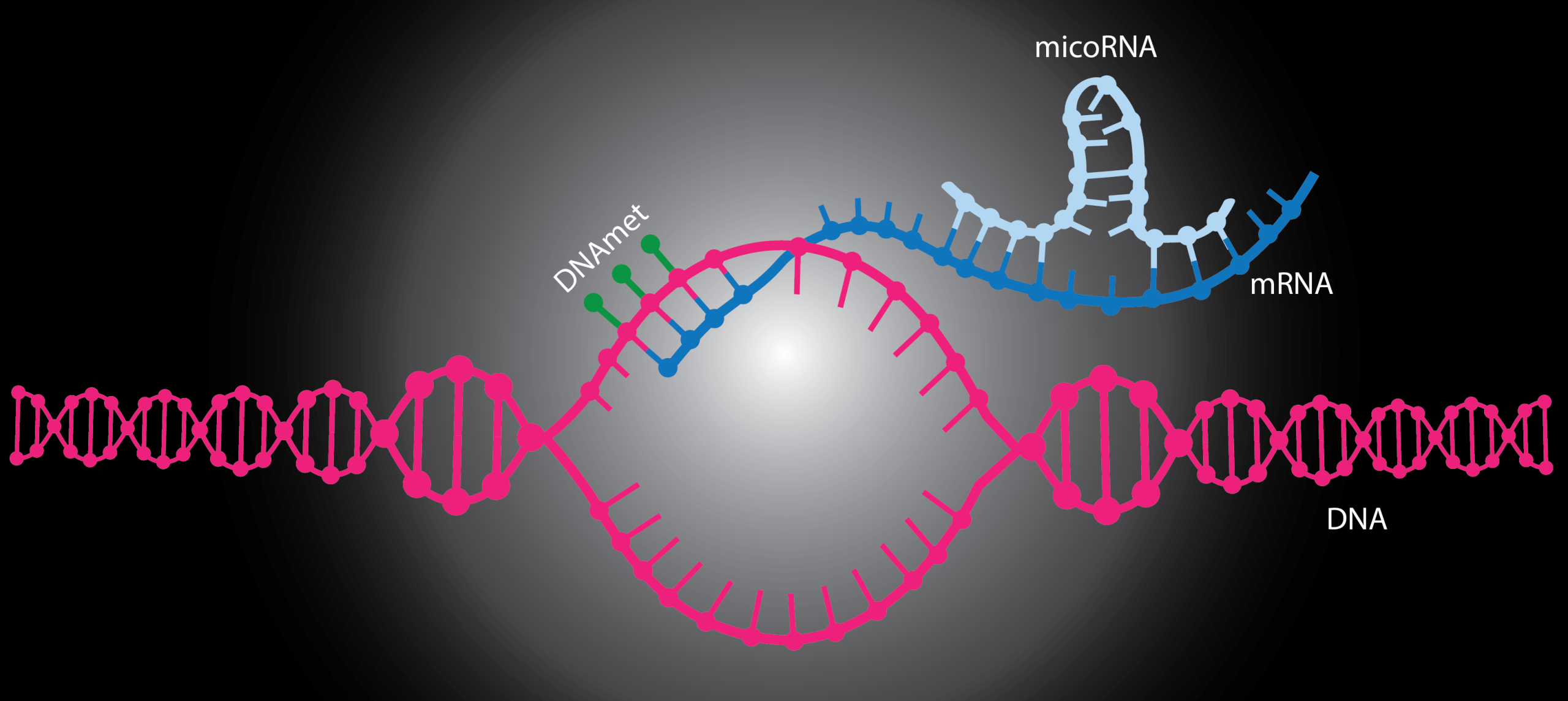
Multi-Omics Analysis: Deciphering Biological Complexity at Scale
Living systems are choreographed across numerous molecular levels, each affecting and reacting to the others in an ongoing dance. Multi-omics analysis is the scientific revolution that combines these disparate layers—genomics, transcriptomics, proteomics, metabolomics, epigenomics, microbiomics, and others, presenting a wide-angle, systems-level perspective on biology that any single method cannot.