Category: Genetics
-

Autism Spectrum Disorder: The Diversity Within Neurodiversity
Autism Spectrum Disorder (ASD) is a complex neurodevelopmental condition characterized by persistent difficulties in social communication and interaction, with restricted, repetitive behaviors and interests. ASD varies widely in severity and presentation, affecting individuals across all backgrounds. Early intervention improves outcomes, but ASD is lifelong and requires personalized support.
-
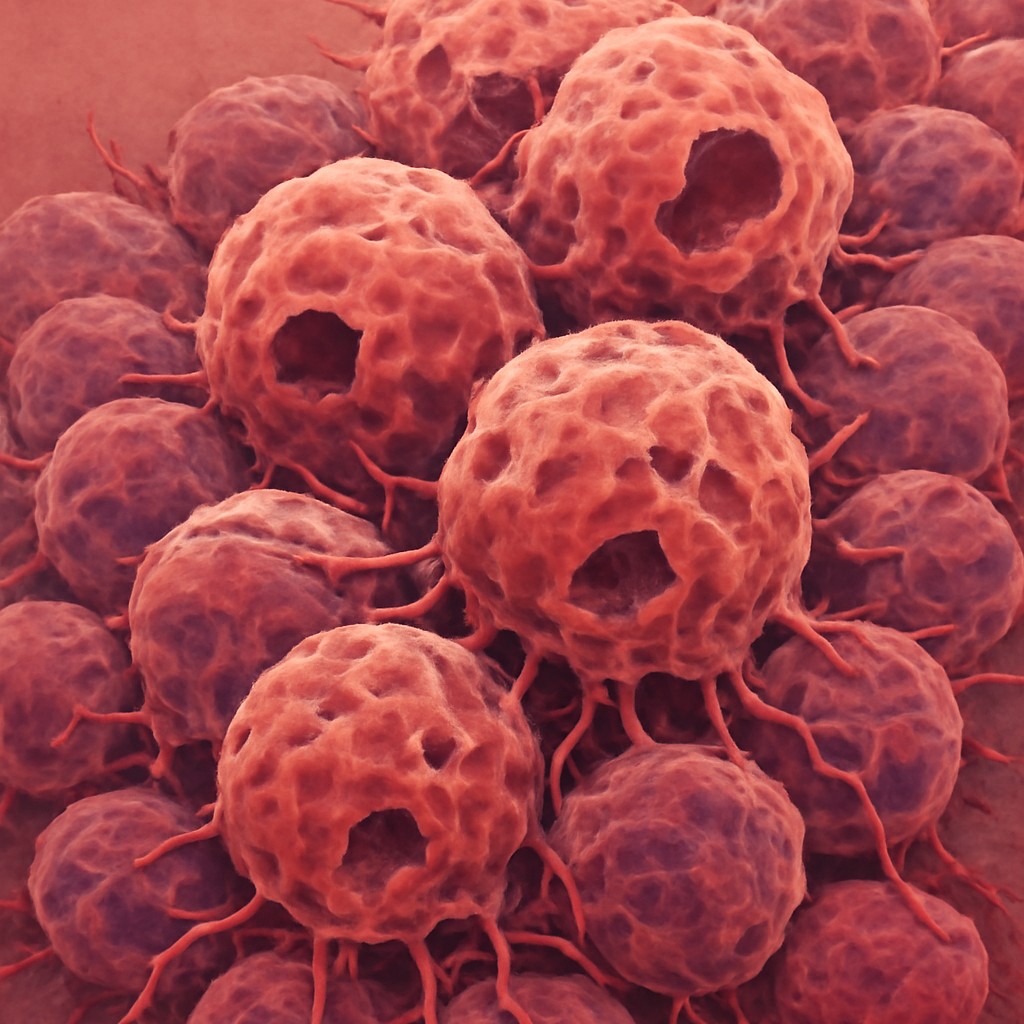
Carcinogenesis Explained: What Everyone Should Know About Cancer
We all have had our fair share of association with the disease that cancer is. Cancer develops as genetic and cellular controls fail, allowing unchecked cell growth. Recognizing carcinogenesis enables prevention, early detection, and personalized treatment, improving survival and quality of life worldwide.
-
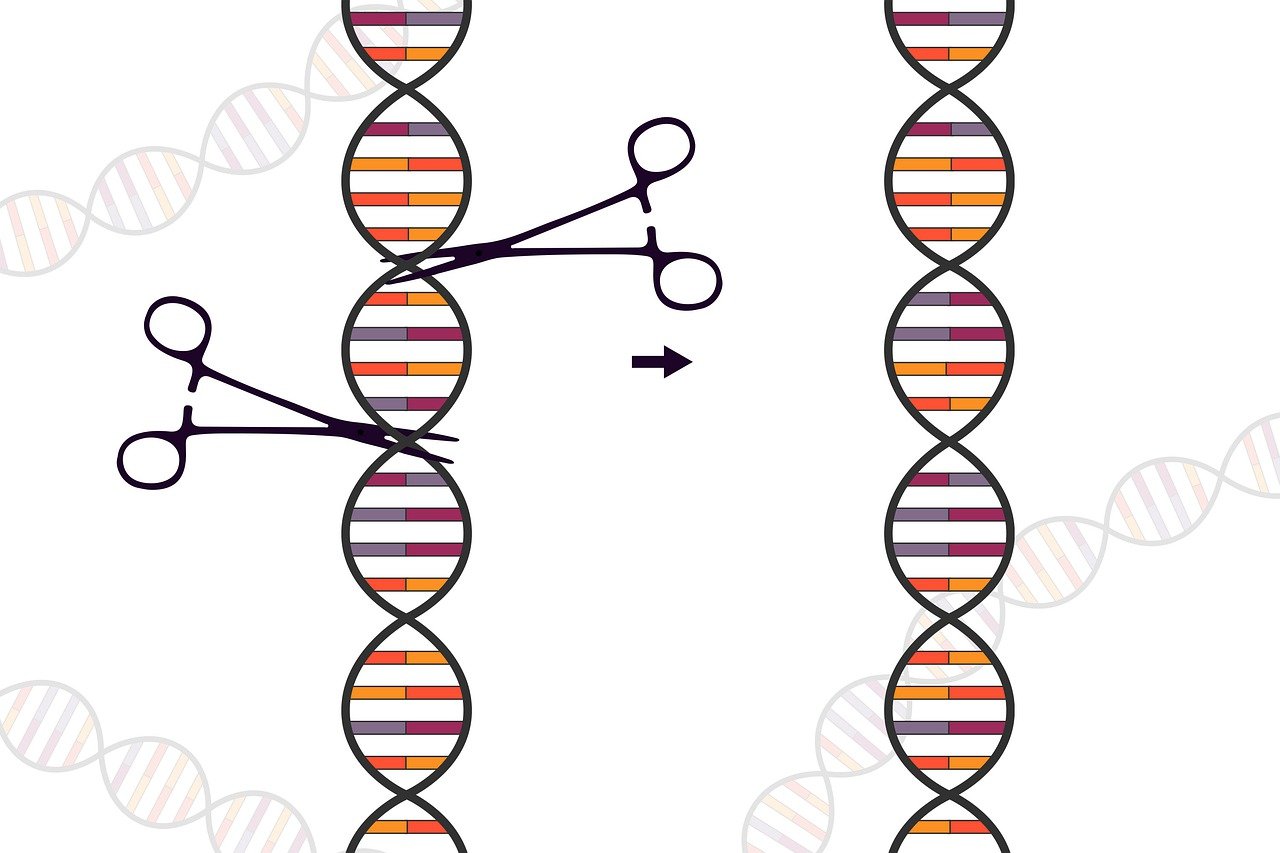
CRISPR-Cas Systems: Microbial Memory Meets Molecular Precision
CRISPR means Clustered Regularly Interspaced Short Palindromic Repeats, while Cas denotes the CRISPR-associated proteins that serve as molecular protectors. Together, they create a living repository and a set of tools for natural, adaptive immune response found in bacteria and archaea. CRISPR-Cas systems also allow us to interpret, compose, and modify the blueprint of life.
-
The Power of Horizontal Gene Transfer: Driving Bacterial Evolution
Bacteria are the ultimate survivors, and their secret lies in Horizontal Gene Transfer. Unlike humans, bacteria can swap genetic information laterally with neighboring organisms, even across different species. This incredible ability is the key to their swift evolution, allowing them to thrive in extreme environments and, most critically, to evade our antibiotics.