
Learning Hub
Explore the concepts driving innovation
-

Ultrasound Imaging: A Mature Diagnostic Pillar Embracing Emerging Frontiers
Ultrasound imaging has long played a key role in medical diagnosis, particularly in the fields of obstetrics, cardiology, and abdominal imaging. It is one of the safest medical imaging modalities available. It doesn’t use ionizing radiation, and the sound waves used are at very low power and do not cause any known harmful effects.
-

Autoimmune Disorders: When the Body Attacks Itself
Autoimmune disorders are a group of conditions in which the immune system mistakenly attacks the body’s own cells, tissues, or organs. This process can cause ongoing inflammation and tissue damage, leading to various health challenges. Autoimmune diseases impact millions of people worldwide.
-
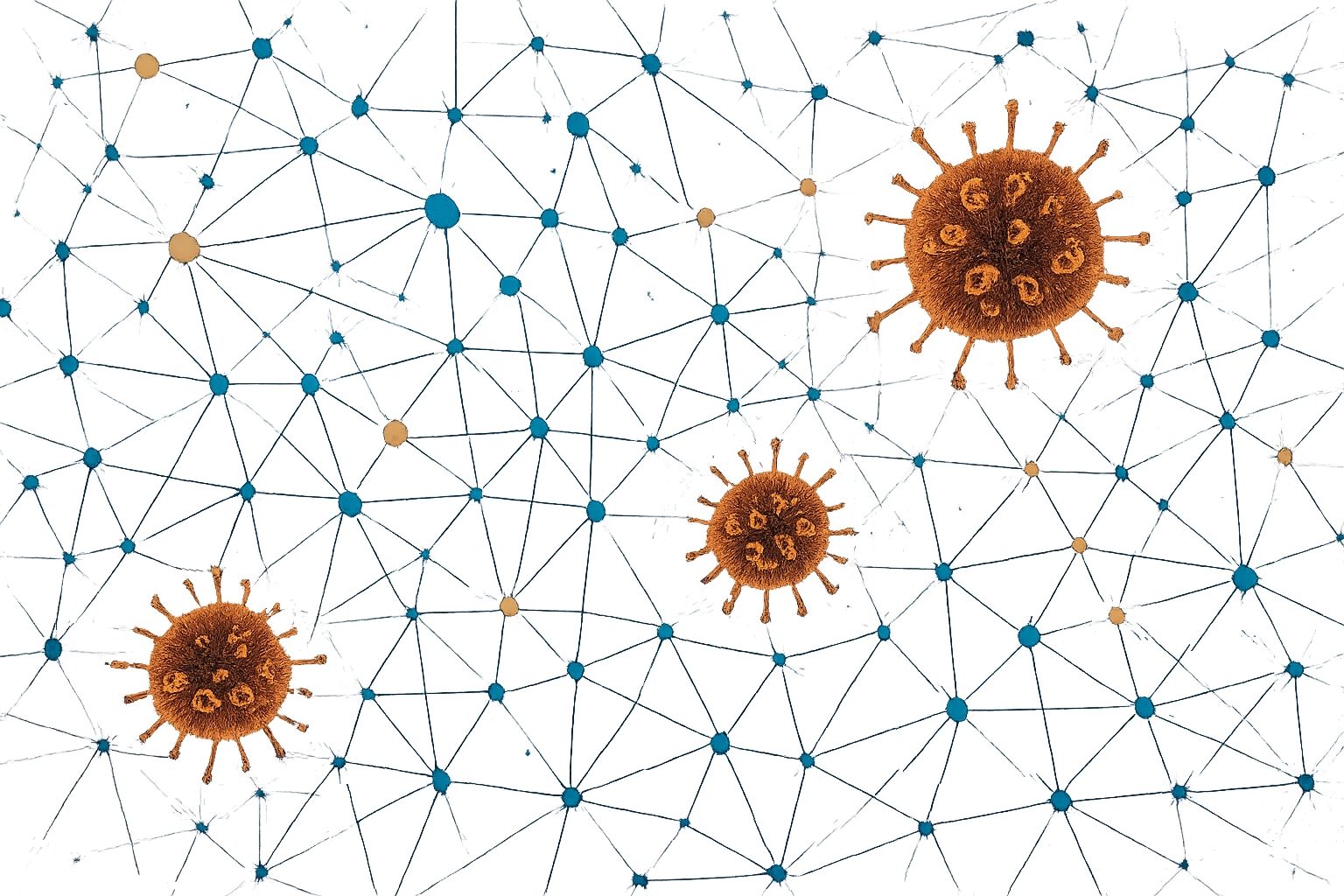
Disease Modeling: Recreating Illness to Conquer It
Has it ever occurred to you how we can study diseases without endangering human lives? Disease modeling makes this possible by recreating illnesses under controlled conditions—whether in cells, animals, or computers—to understand what drives disease and how we might intervene more effectively.
-
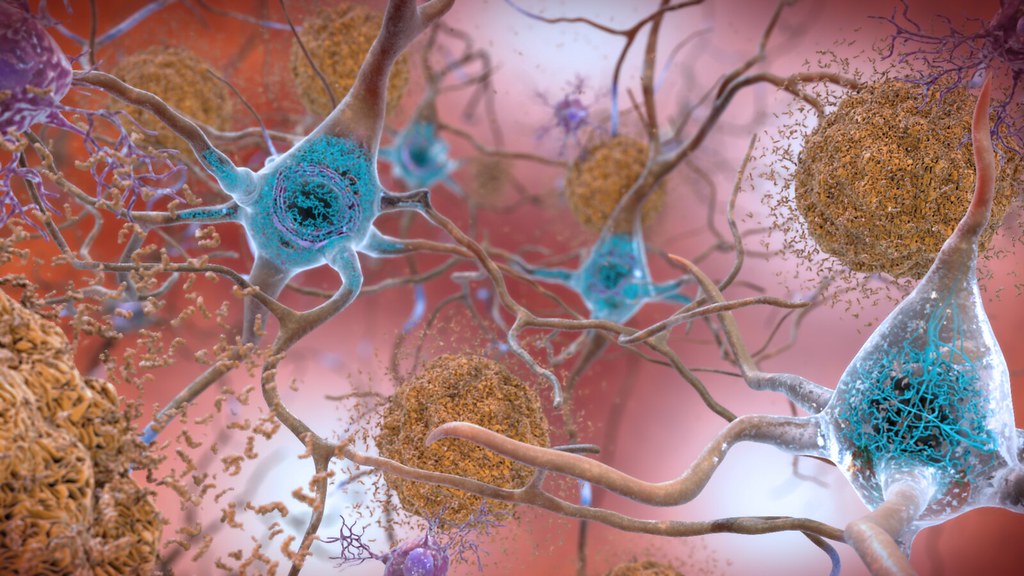
The Science of Misfolding: Understanding Protein Aggregation and Amyloid Formation
The specific three-dimensional shape of proteins is crucial to their proper functioning. But when the native conformation of proteins gets disrupted, it marks the beginning of protein misfolding and aggregation, processes that usually lead to significant health issues, most notably through the creation of specific, problematic aggregates called amyloids, which often lead to neurodegenerative diseases.
-

Network Pharmacology: A Systems-Level Lens on Drugs and Disease
Network pharmacology is an integrated approach that combines insights from bioinformatics, systems biology, and pharmacology to help us view biological systems as a complex, interwoven network. This, in turn, allows for a more accurate, efficient, and holistic understanding of health and disease.
-

Medication Expiration: Stability, Safety, and Practical Implications
Understanding medication expiration requires balancing safety with practicality. While expiration dates mark the end of guaranteed potency, most drugs degrade gradually rather than becoming immediately harmful. Chemical stability depends on the specific formulation, storage conditions, and the clinical necessity for precise dosing in certain medical treatments.
-

Immunotherapy: Harnessing the Body’s Own Power to Fight Disease
In modern times, immunotherapy has revolutionized medical treatment and is being used to address a wide spectrum of diseases. Unlike traditional treatment methods that directly interact with the disease-causing agents, immunotherapy alters one’s own immune system to empower the body’s natural defense mechanisms for health restoration.
-

Huntington’s Disease: A Genetic Tragedy of the Brain
Huntington’s disease is a rare, inherited brain disorder that damages movement, cognition, and mental health. Caused by a genetic mutation, it worsens over time with no cure, but research into gene-silencing, neuroprotection, and biomarkers brings hope for future treatments alongside supportive, multidisciplinary care.
-
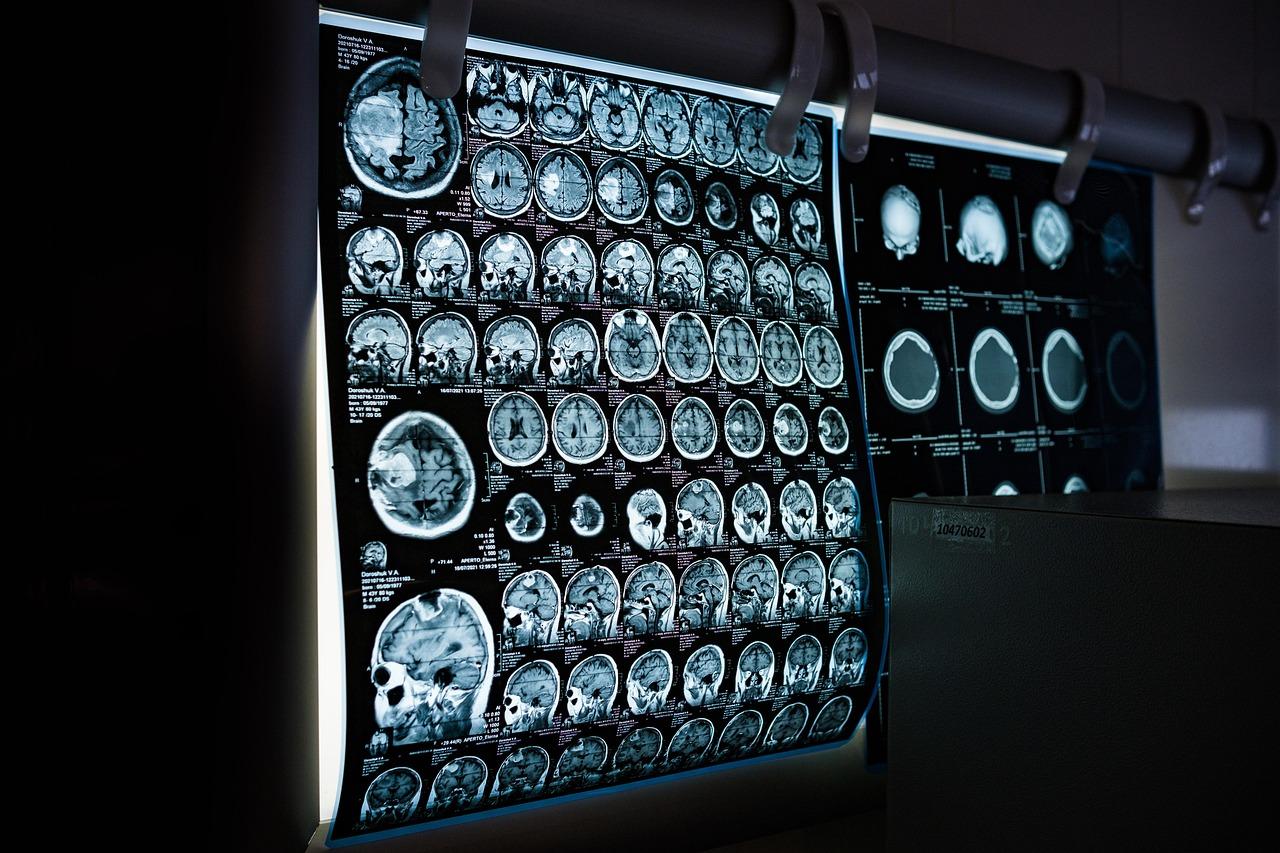
Spectroscopy and Imaging in Biology: Unveiling the Hidden Complexity of Life
Spectroscopy and imaging techniques unveil life’s complexity by studying electromagnetic radiation interactions with matter. They provide unparalleled insight into molecular composition, structure, and function, and helps scientists to determine “what” molecules are present, “how much,” and “where” they are located across all biological scales.
-
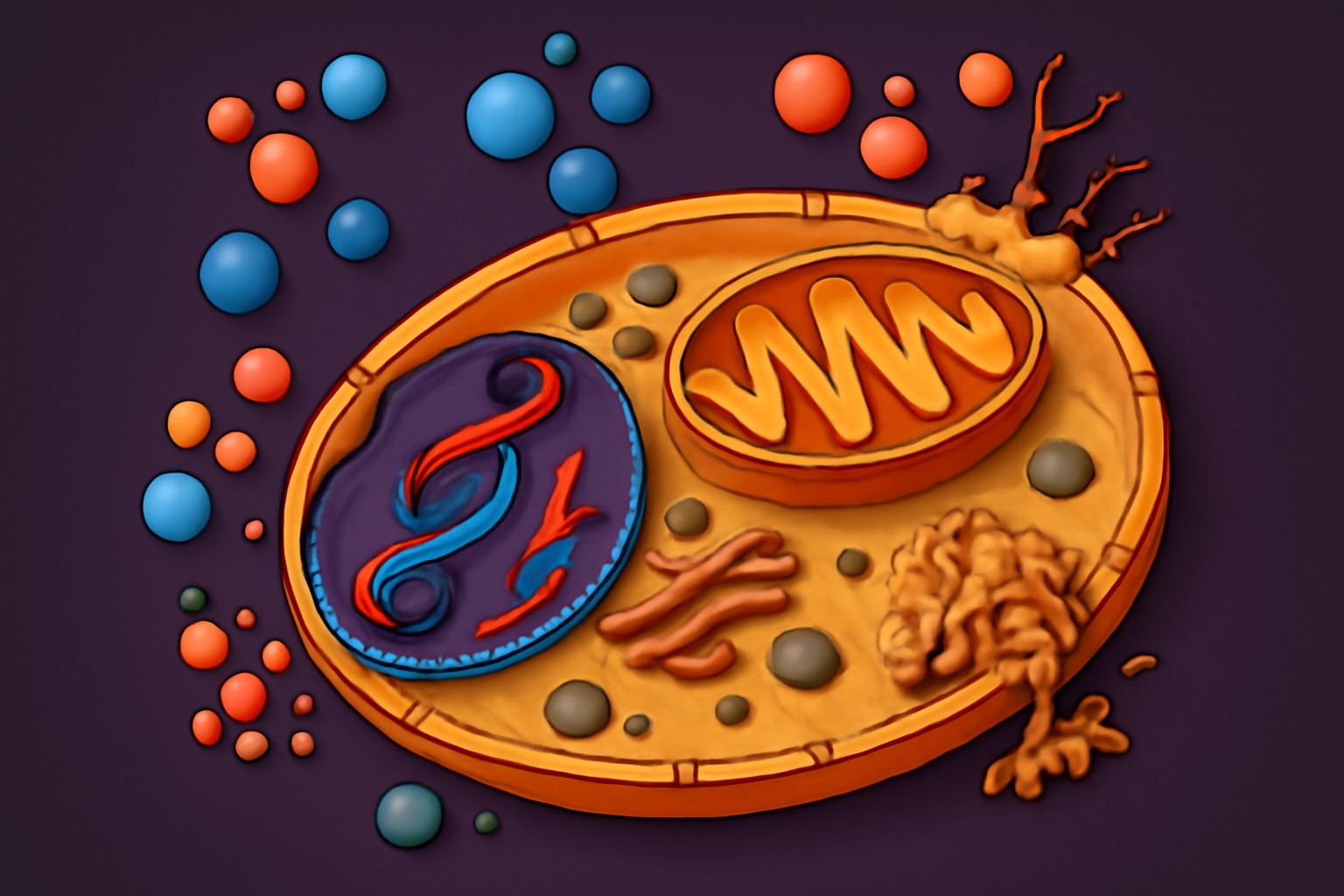
The Double-Edged Sword: Understanding Reactive Oxygen Species and Oxidative Stress
Reactive Oxygen Species (ROS) are vital for cell signaling but harmful in excess, causing oxidative stress that damages cells and contributes to aging and diseases. Maintaining balance through antioxidants and healthy lifestyle choices is key to protecting cellular health and preventing chronic conditions.