Category: Healthcare
-
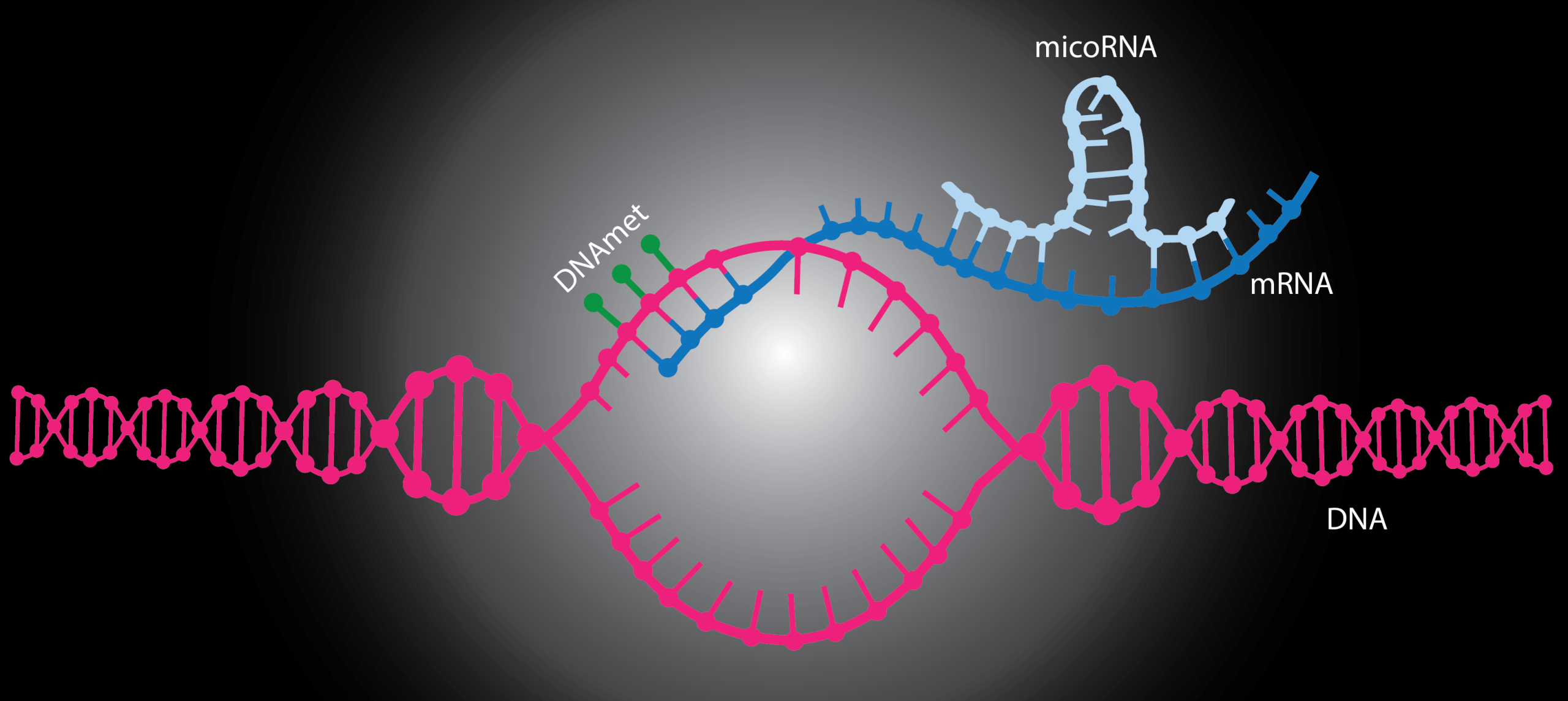
Multi-Omics Analysis: Deciphering Biological Complexity at Scale
Living systems are choreographed across numerous molecular levels, each affecting and reacting to the others in an ongoing dance. Multi-omics analysis is the scientific revolution that combines these disparate layers—genomics, transcriptomics, proteomics, metabolomics, epigenomics, microbiomics, and others, presenting a wide-angle, systems-level perspective on biology that any single method cannot.
-

Autism Spectrum Disorder: The Diversity Within Neurodiversity
Autism Spectrum Disorder (ASD) is a complex neurodevelopmental condition characterized by persistent difficulties in social communication and interaction, with restricted, repetitive behaviors and interests. ASD varies widely in severity and presentation, affecting individuals across all backgrounds. Early intervention improves outcomes, but ASD is lifelong and requires personalized support.
-
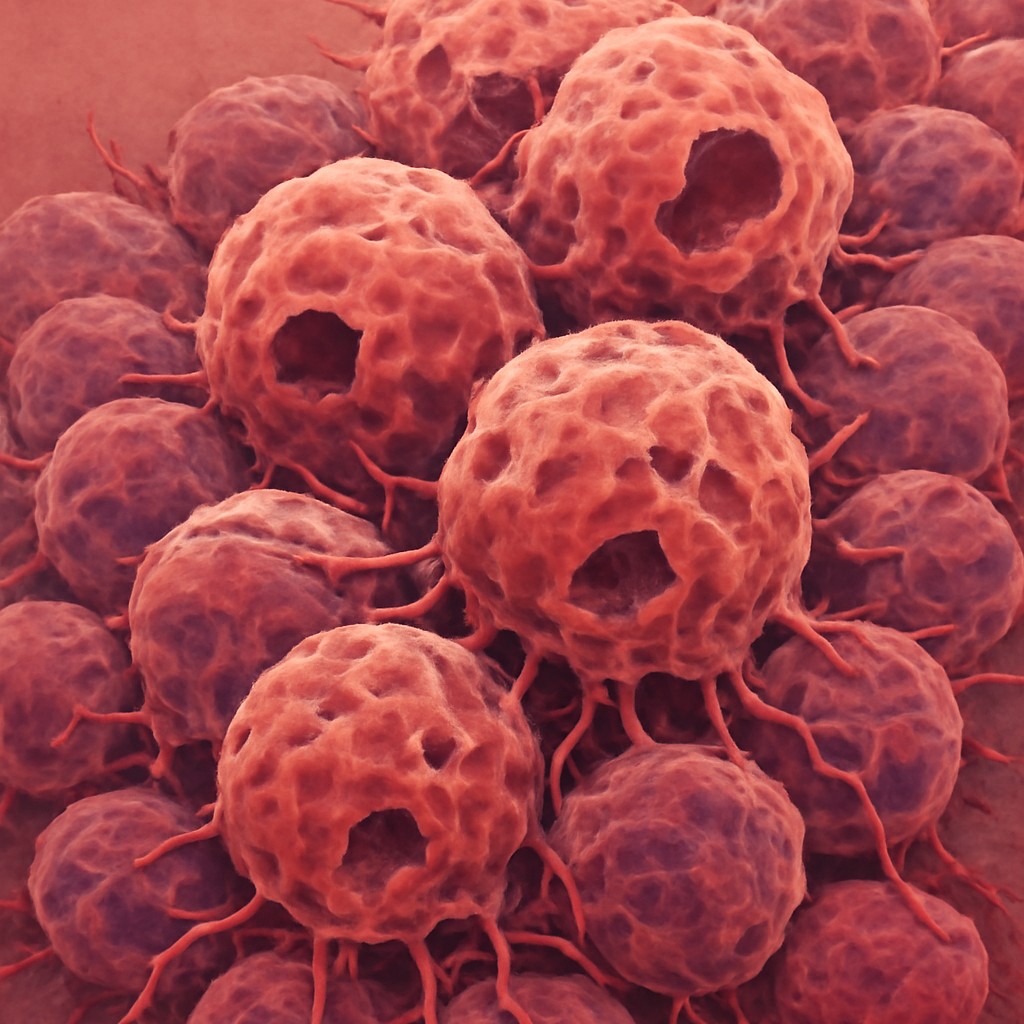
Carcinogenesis Explained: What Everyone Should Know About Cancer
We all have had our fair share of association with the disease that cancer is. Cancer develops as genetic and cellular controls fail, allowing unchecked cell growth. Recognizing carcinogenesis enables prevention, early detection, and personalized treatment, improving survival and quality of life worldwide.
-
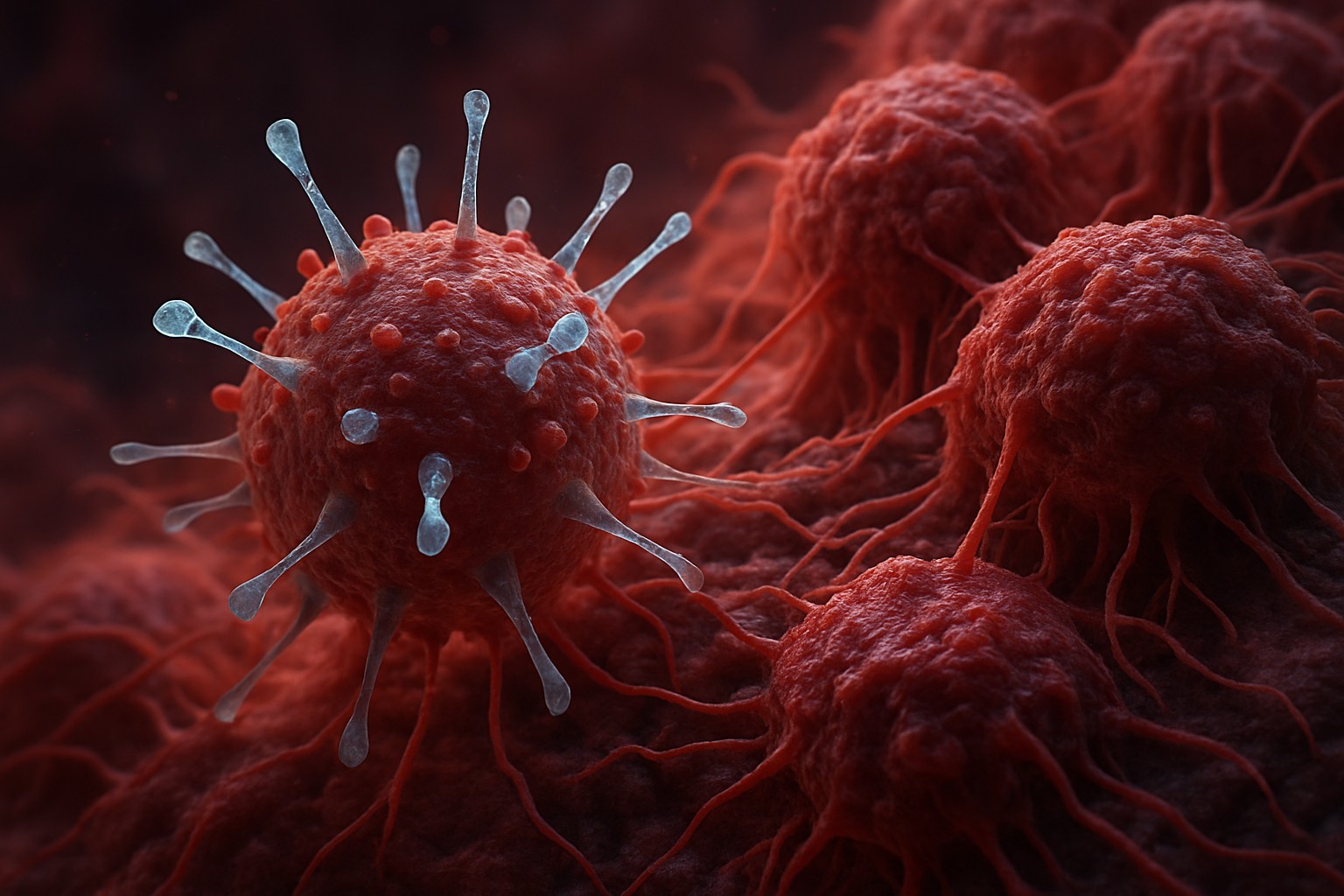
Oncolytic Viruses: Viruses as Cancer Killers
Oncolytic viruses selectively infect and destroy cancer cells while stimulating the immune system to attack tumors. Engineered for safety and efficacy, they show promise as innovative cancer therapies by combining direct viral killing with immune activation, though challenges such as delivery and immune clearance persist.
-
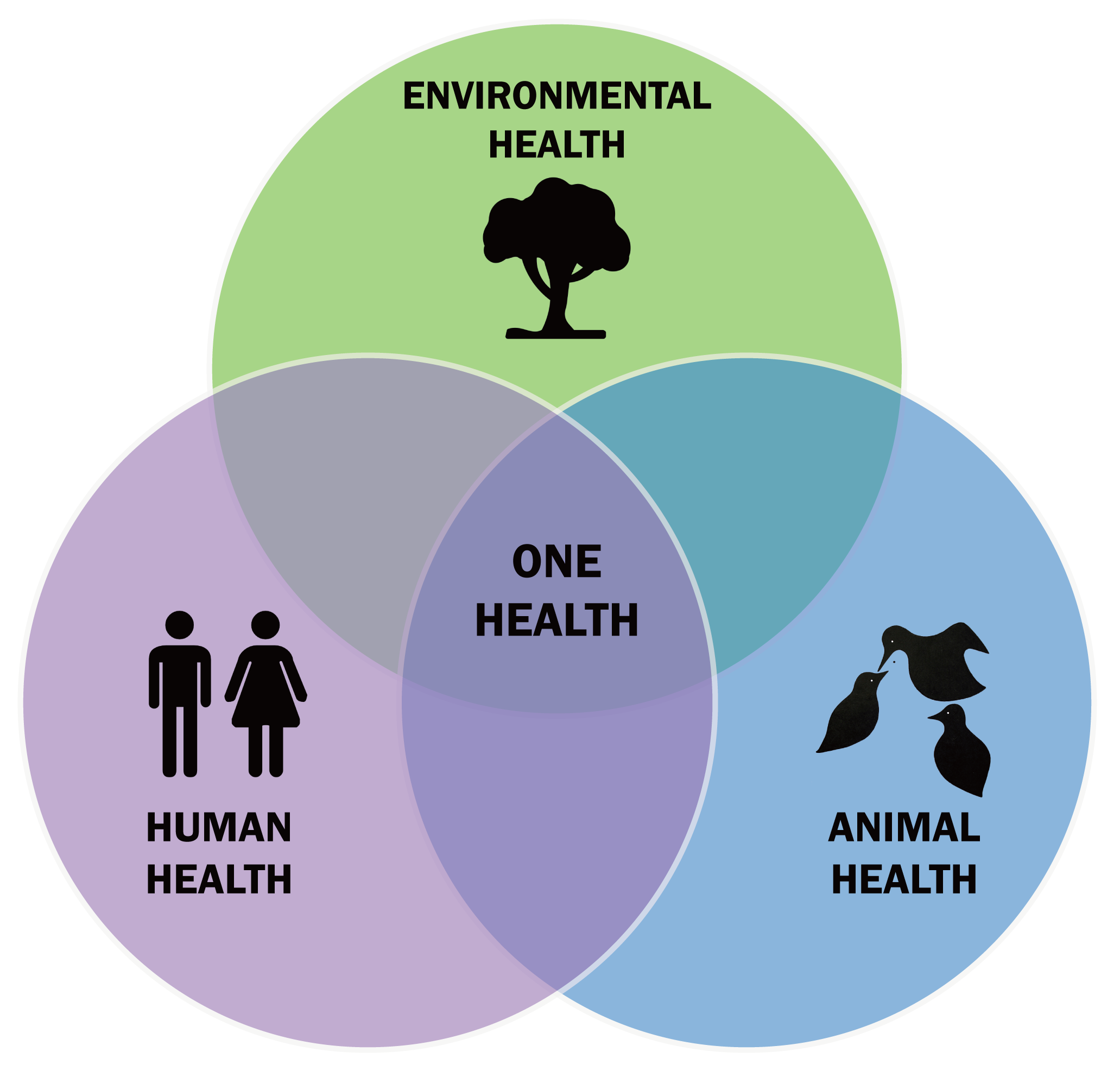
One Health: A New Blueprint for Global Well-being
The principle of One Health is rooted in an intricate relationship between the health of humans, animals (both domestic and wild), and the environment we all share, and this perspective asserts that the well-being of any one component is intrinsically tied to the well-being of all.
-
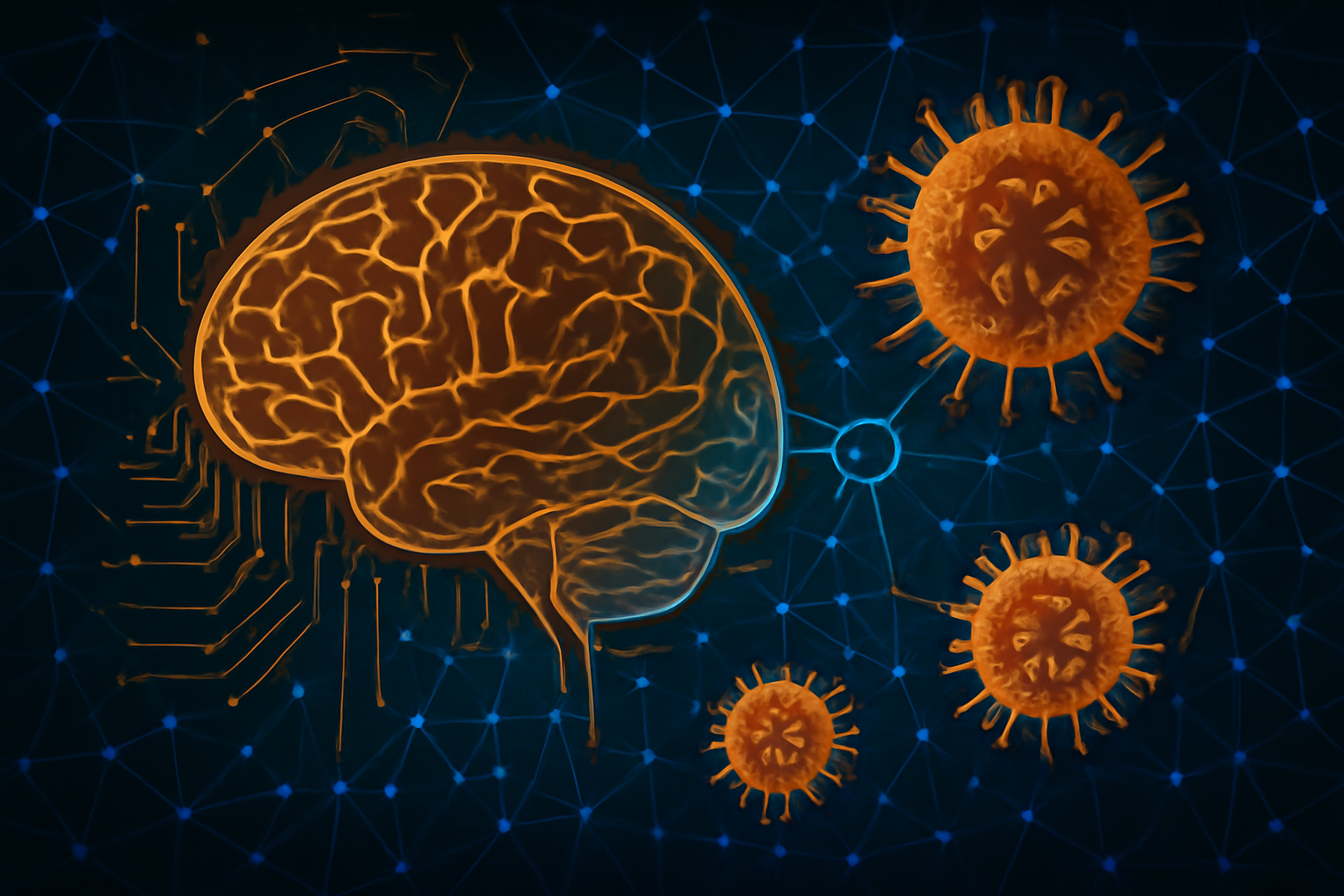
Neuroimmunology Unveiled: The Dynamic Dance of Brain and Immunity
The brain and immune cells are always in dynamic communication, interacting not just when illness or injury occurs, but throughout a person’s life, even in good health. Neuroimmunology explores how the nervous system and the immune system influence each other’s development, balance, and responses, and how their miscommunications can initiate neurological dysfunction.
-
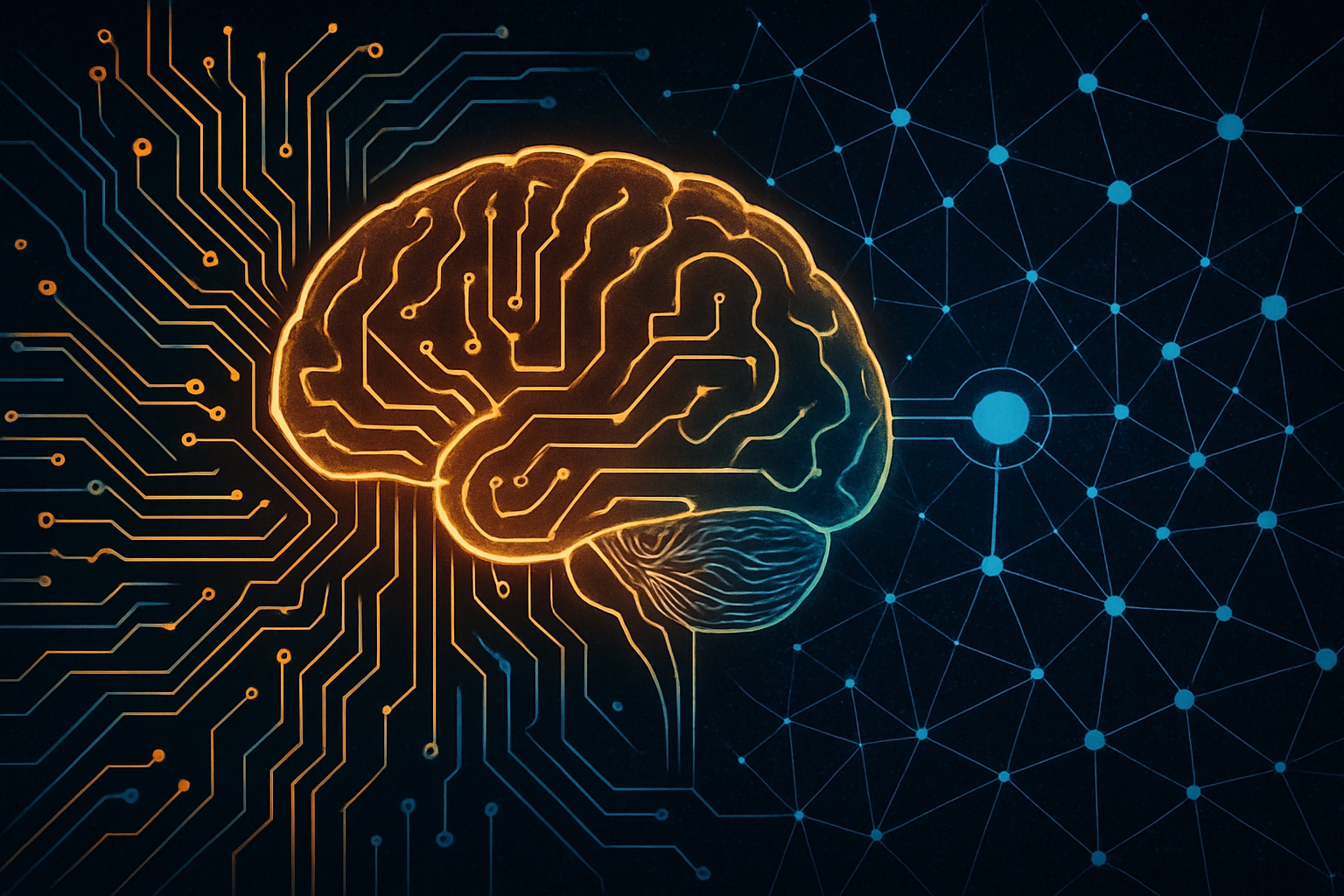
Neuroengineering: Bridging the Brain and Technology
Neuroengineering, alternatively referred to as neural engineering, uses the concepts and techniques of engineering to fill in the gap between our growing knowledge of the brain’s complex operations and the creation of useful technologies that can diagnose, heal, or enhance neurological function.
-
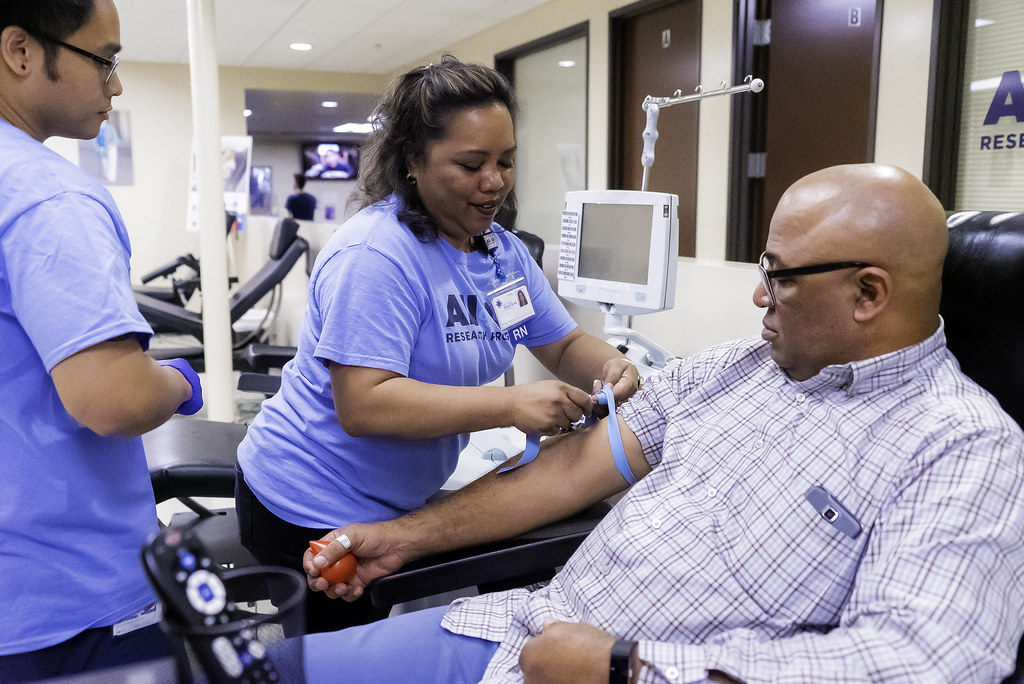
Precision Medicine: Tailoring Health, One Person at a Time
Medicine has long followed a “one-size-fits-all” strategy. Precision Medicine, alternatively referred to as Personalized Medicine, aims to overcome this old paradigm. It promises a revolutionary strategy for disease treatment and prevention, delivering the right treatment to the right patient at the right time—taking into account the complex nuances of their genes, environment, and lifestyle.
-
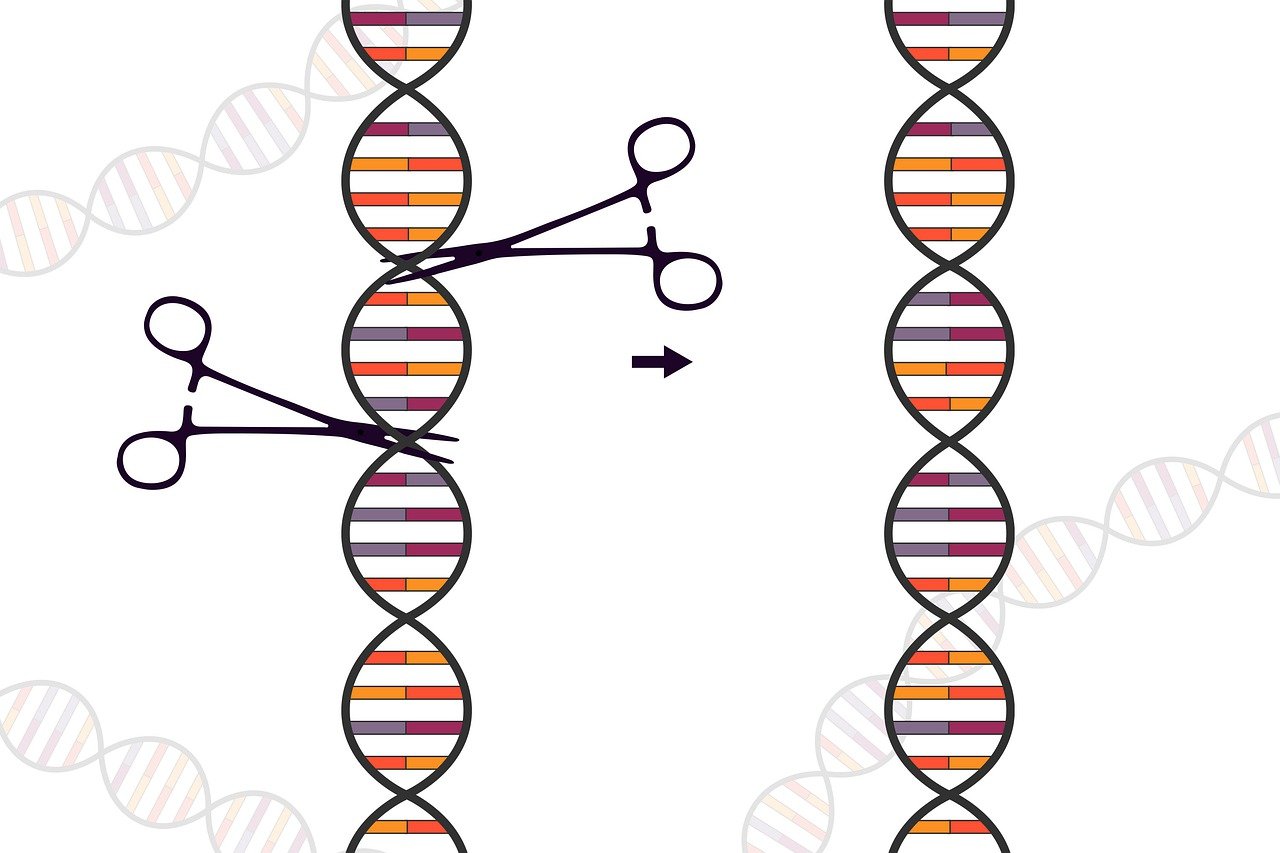
CRISPR-Cas Systems: Microbial Memory Meets Molecular Precision
CRISPR means Clustered Regularly Interspaced Short Palindromic Repeats, while Cas denotes the CRISPR-associated proteins that serve as molecular protectors. Together, they create a living repository and a set of tools for natural, adaptive immune response found in bacteria and archaea. CRISPR-Cas systems also allow us to interpret, compose, and modify the blueprint of life.
-
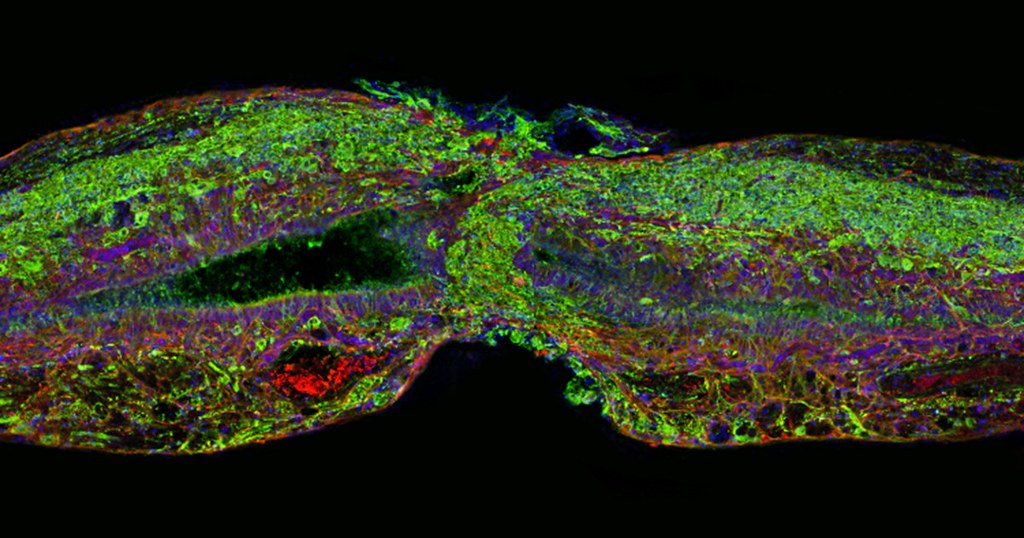
Regenerative Medicine: Restoring What’s Lost, Renewing Life
Regenerative medicine brings forth interdisciplinary collaboration to address the root cause of tissue damage or organ failure, moving beyond merely managing symptoms. The core strategy is to leverage the body’s innate healing mechanisms or to introduce new biological components to repair, replace, and regenerate damaged cells, tissues, and entire organs.