Category: Microbiology
-

Artificial Intelligence Applications in Healthcare and Biology Research
Artificial Intelligence is rapidly transforming healthcare and biology research by helping to analyze vast, complex data, enhancing diagnosis, enabling personalized medicine, and accelerating drug discovery. It optimizes workflows, improves public health responses, and fuels biological research. Safe adoption requires addressing challenges like data privacy, black box transparency, and bias.
-
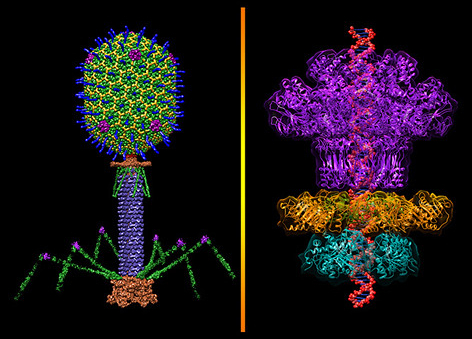
Phage Therapy: A Resurgent Solution to the Antibiotic Resistance Crisis
A number of promising strategies are now being employed to counter the threat of AMR, and among them phage therapy is noteworthy. This promising, re-emerging approach utilizes bacteriophages—viruses that exclusively infect and kill bacteria. Phage therapy isn’t new; its history dates back to the early 20th century.
-

Autoimmune Disorders: When the Body Attacks Itself
Autoimmune disorders are a group of conditions in which the immune system mistakenly attacks the body’s own cells, tissues, or organs. This process can cause ongoing inflammation and tissue damage, leading to various health challenges. Autoimmune diseases impact millions of people worldwide.
-
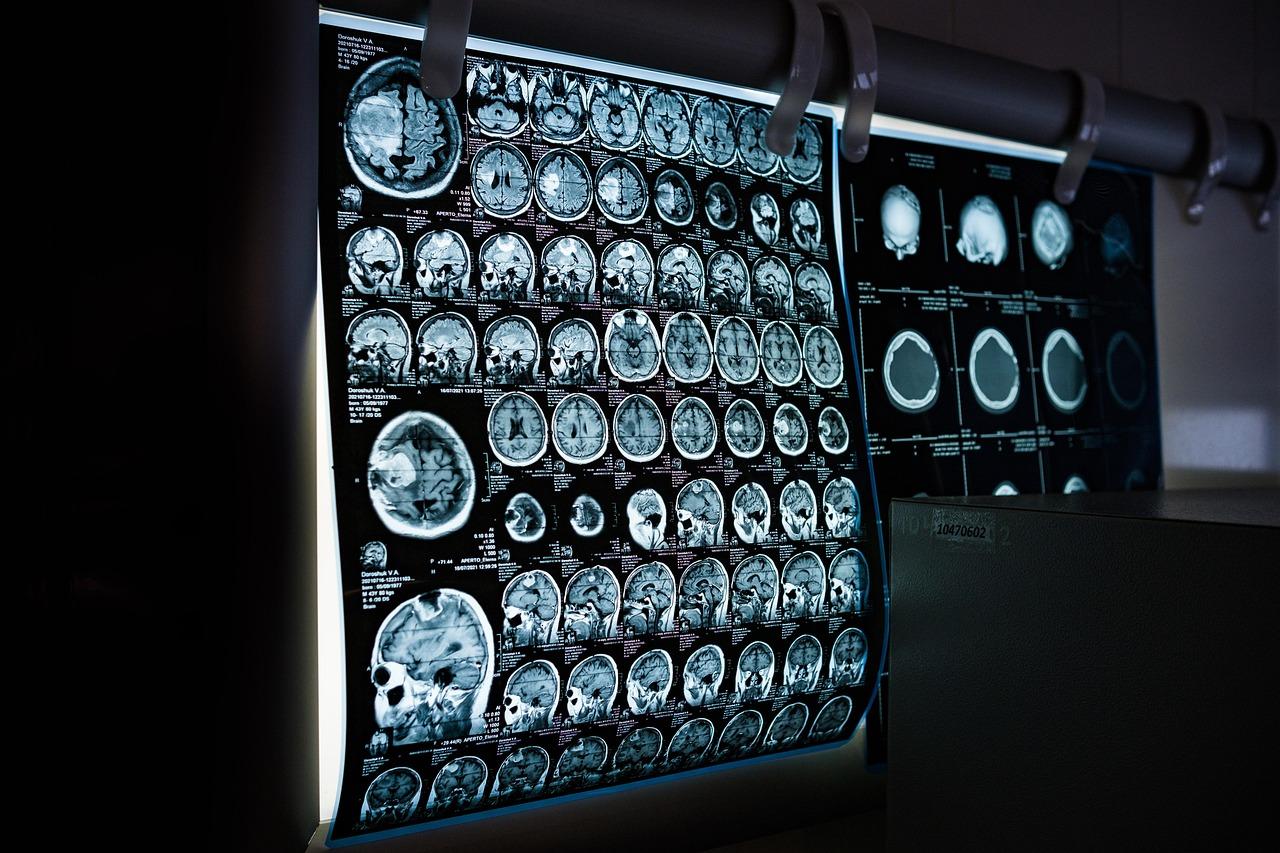
Spectroscopy and Imaging in Biology: Unveiling the Hidden Complexity of Life
Spectroscopy and imaging techniques unveil life’s complexity by studying electromagnetic radiation interactions with matter. They provide unparalleled insight into molecular composition, structure, and function, and helps scientists to determine “what” molecules are present, “how much,” and “where” they are located across all biological scales.
-

Biomarkers: Vital Tools Transforming Medicine and Research
Biomarkers, as measurable indicators of biological states, are revolutionizing medicine, enabling earlier diagnosis, personalized therapies, and efficient drug development. Their future is driven by multi-omics, liquid biopsies, and artificial intelligence, but realizing full potential requires rigorous validation and addressing ethical governance.
-
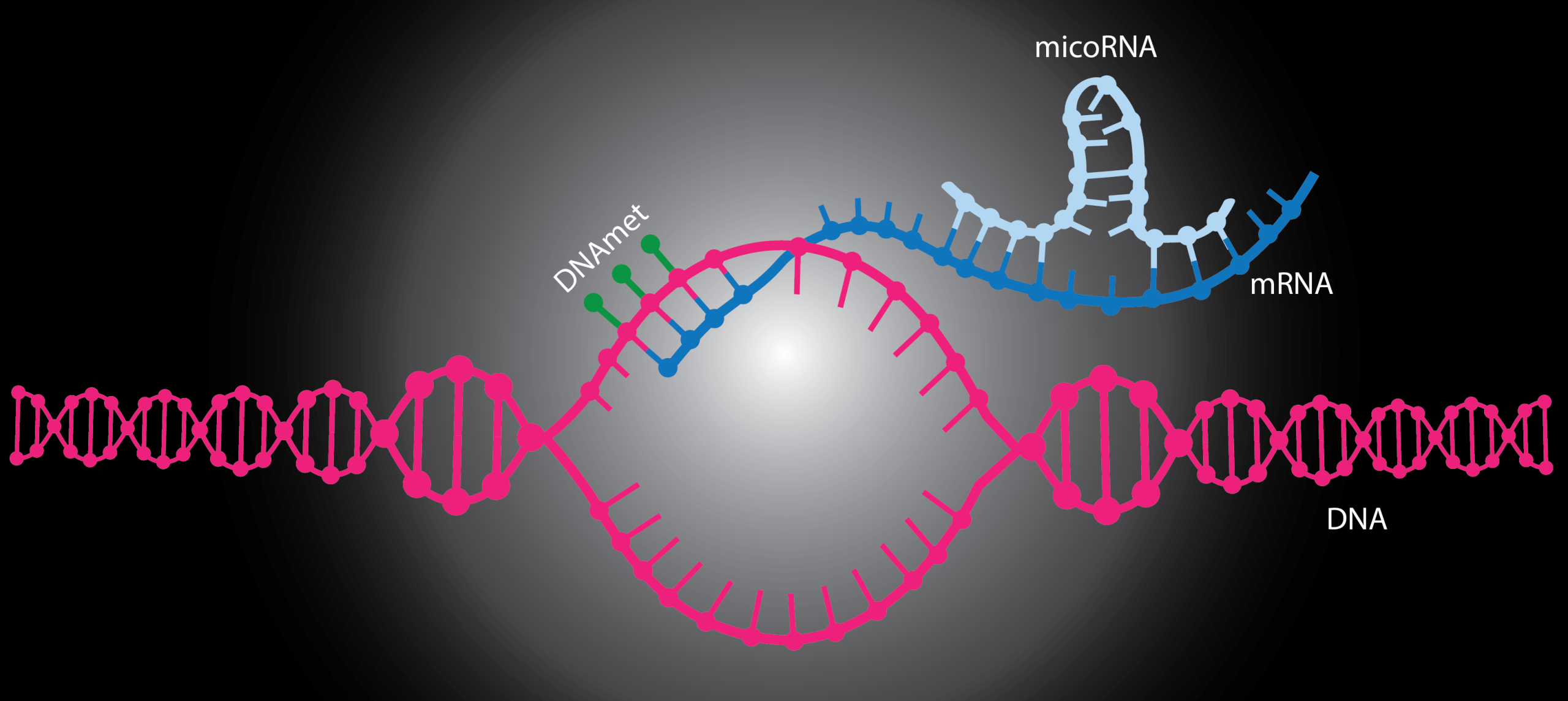
Multi-Omics Analysis: Deciphering Biological Complexity at Scale
Living systems are choreographed across numerous molecular levels, each affecting and reacting to the others in an ongoing dance. Multi-omics analysis is the scientific revolution that combines these disparate layers—genomics, transcriptomics, proteomics, metabolomics, epigenomics, microbiomics, and others, presenting a wide-angle, systems-level perspective on biology that any single method cannot.
-

Heavy Metals: The Silent Architects of Toxicity and Antimicrobial Resistance
Heavy metals, naturally occurring elements in the Earth’s crust, pose significant environmental and public health concern due to their pervasive nature and toxicity upon anthropogenic release. Furthermore, the combination of heavy metal pollution, microplastic accumulation, and antibiotic resistant bacteria proliferation presents a complex challenge to environmental management and global public health.
-
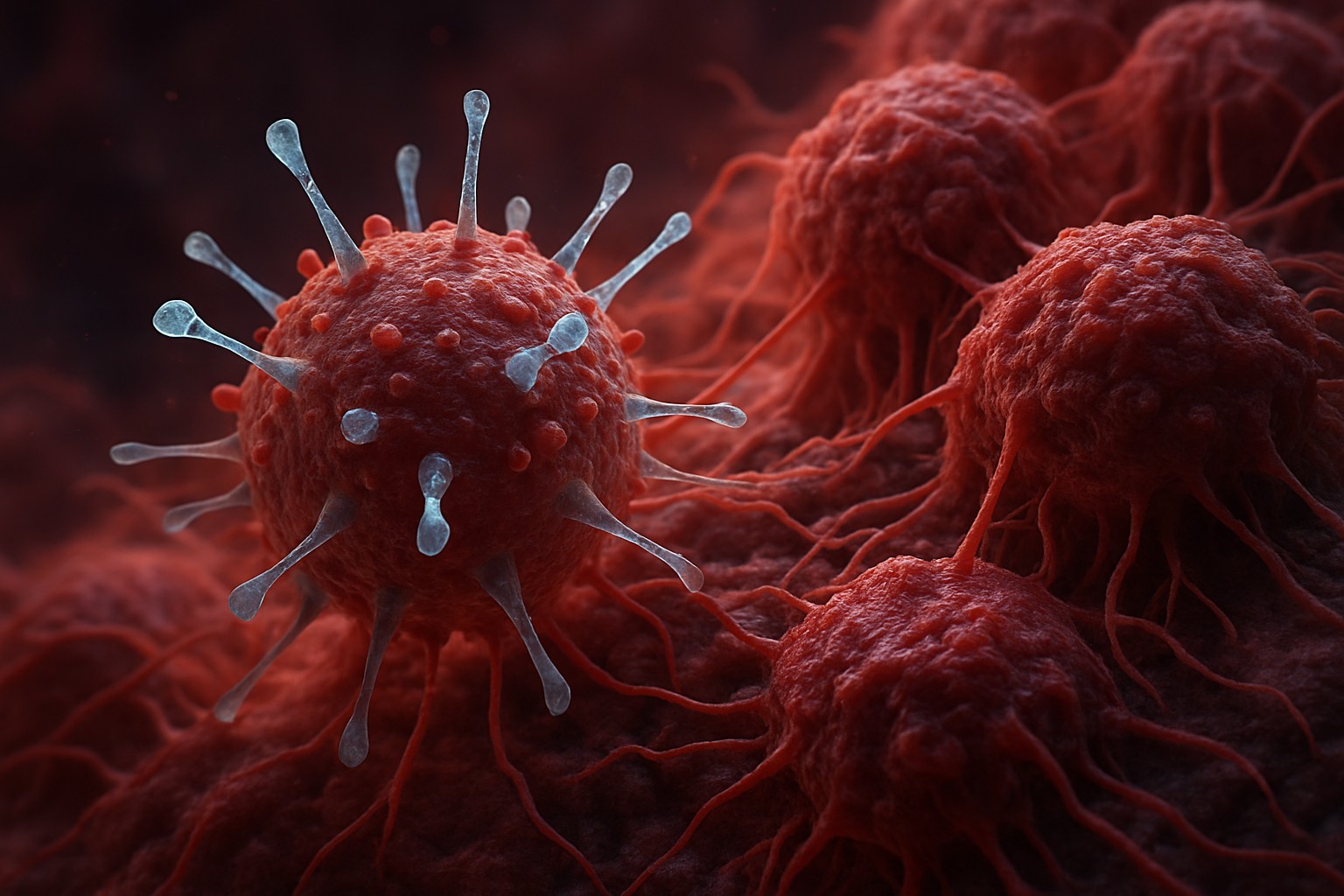
Oncolytic Viruses: Viruses as Cancer Killers
Oncolytic viruses selectively infect and destroy cancer cells while stimulating the immune system to attack tumors. Engineered for safety and efficacy, they show promise as innovative cancer therapies by combining direct viral killing with immune activation, though challenges such as delivery and immune clearance persist.
-
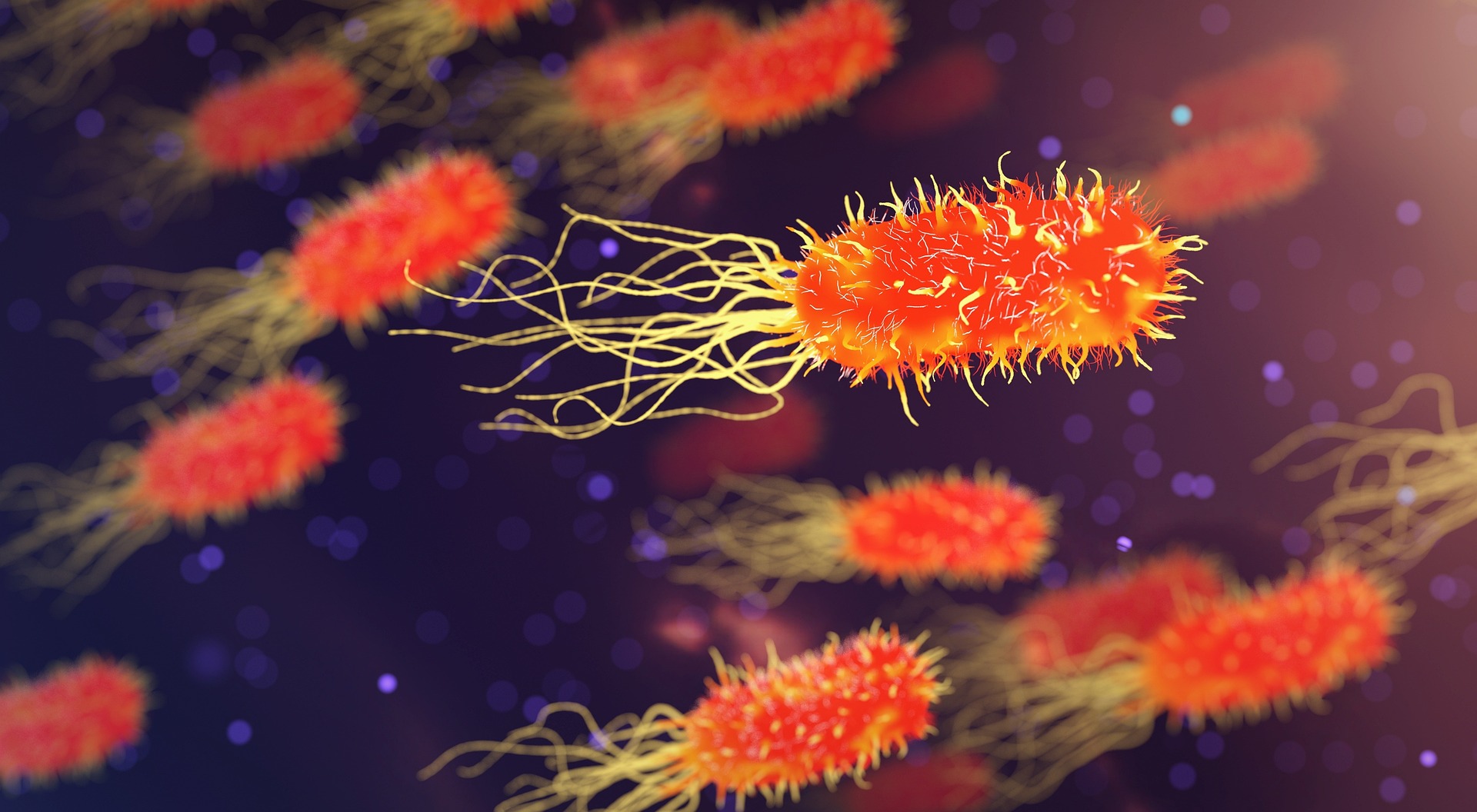
The Gut Microbiome: Your Inner Universe
You are not alone in your body. Trillions of tiny passengers—some beneficial, some neutral, and a few troublemakers—make your digestive tract their home, primarily settling in your large intestine. This vibrant community of microbes, with some living as free-floating cells and others forming complex structures like biofilms, is referred to as the gut microbiome.
-

The Growing Threat of Zoonotic Diseases: Examining Impact and the One Health Solution
The whispers of the wild have grown into a roaring challenge to human existence. In our interconnected world, where the lines between human, animal, and environmental health are increasingly blurred, zoonotic diseases pose a profound threat. Confronting this requires the collaborative, multisectoral, and transdisciplinary framework of One Health.