Category: Immunology
-

Xenotransplantation: Can pigs solve the organ shortage?
Xenotransplantation uses genetically-edited pig organs to address the organ shortage crisis. CRISPR knocks out rejection triggers such as alpha-gal and porcine viruses, enabling pig hearts and kidneys to function in humans for weeks. Clinical trials show promise in overcoming immune barriers and zoonotic risks, though ethical debates are still ongoing.
-
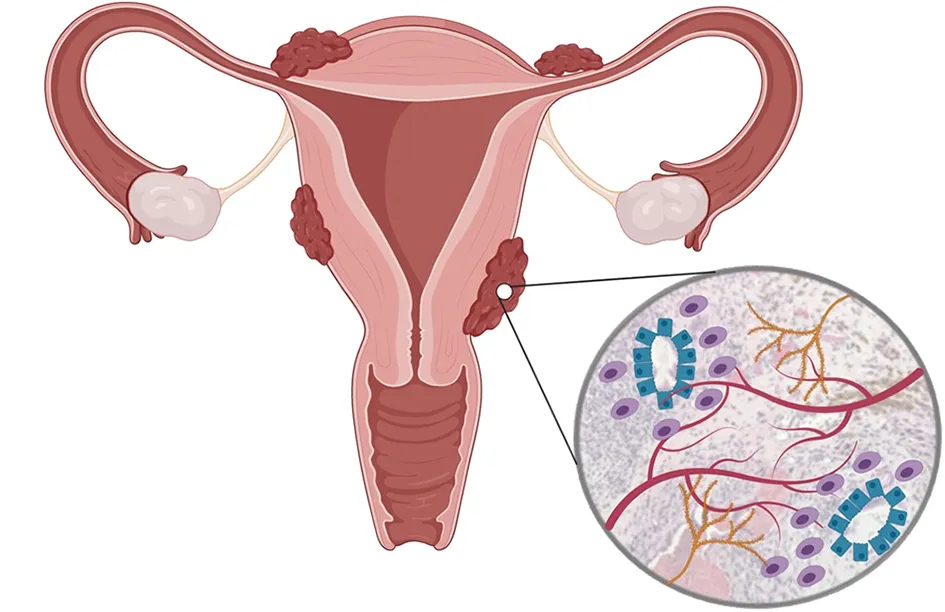
Endometriosis: The Silent Epidemic of Tissue Misplacement
Endometriosis is a chronic condition affecting nearly 190 million people worldwide. It occurs when tissue resembling the uterine lining grows outside the uterus, triggering inflammation and persistent pain. Advances in imaging and artificial intelligence are improving earlier diagnosis and enabling more personalized treatment approaches.
-
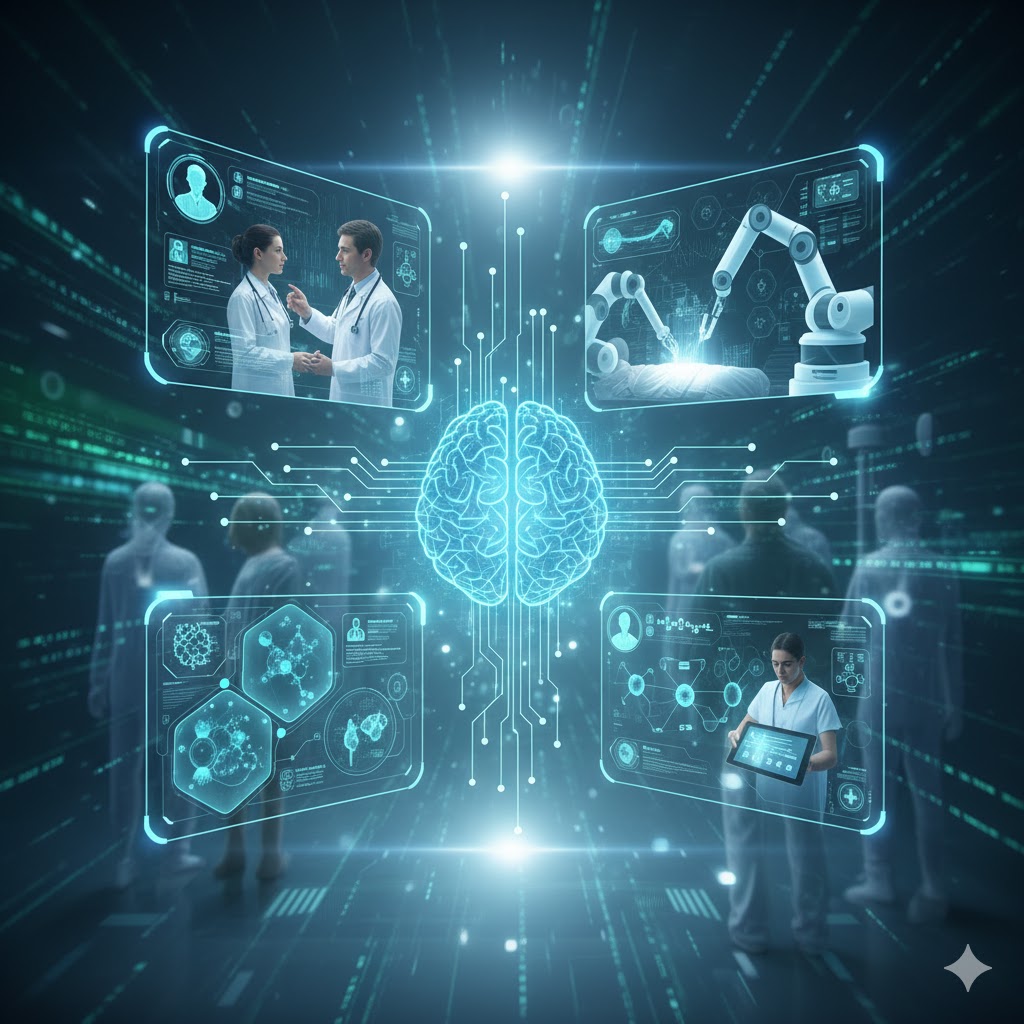
Artificial Intelligence Applications in Healthcare and Biology Research
Artificial Intelligence is rapidly transforming healthcare and biology research by helping to analyze vast, complex data, enhancing diagnosis, enabling personalized medicine, and accelerating drug discovery. It optimizes workflows, improves public health responses, and fuels biological research. Safe adoption requires addressing challenges like data privacy, black box transparency, and bias.
-
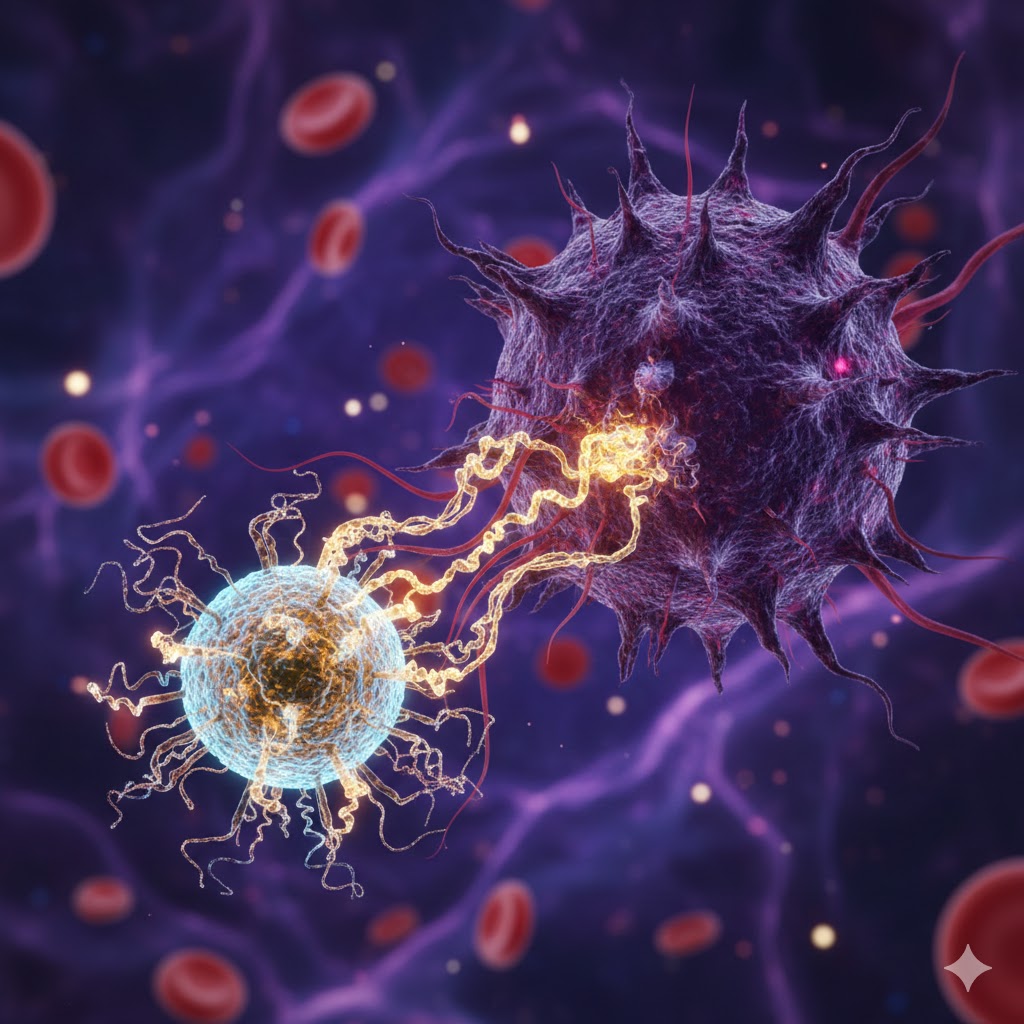
CAR T-Cell Therapy: Reprogramming Immunity to Conquer Cancer
CAR T-cell therapy engineers a patient’s T-cells to target and destroy cancer, offering hope for blood cancers resistant to treatment. Despite challenges like toxicities and high costs, advancements in design, toxicity management, and manufacturing are widening its potential, marking a transformative leap in personalized cancer treatment.
-
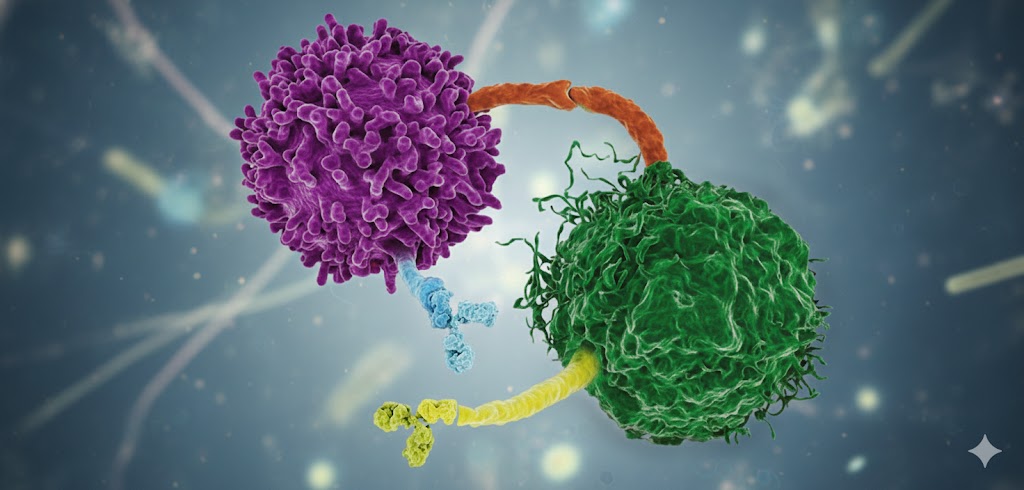
Immune Checkpoint Inhibitors: Unleashing the Body’s Natural Cancer Fighters
Immune checkpoint inhibitors have revolutionized treatment for multiple advanced cancers by releasing the brakes on T-cells. They do so by reactivating the immune system to target cancer cells, but can cause immune-related side effects. Ongoing research focuses on enhancing efficacy, managing resistance, and encouraging personalized therapies.
-

Immunophenotyping: Decoding Cells by Their Surface Markers
Immunophenotyping is a sophisticated laboratory technique that allows scientists and clinicians to rapidly distinguish between various cell types within a heterogeneous sample. This makes it possible to track their differentiation and activation states and identify abnormal cell populations. Immunophenotyping relies on the remarkable specificity of antigen-antibody interactions.
-

Autoimmune Disorders: When the Body Attacks Itself
Autoimmune disorders are a group of conditions in which the immune system mistakenly attacks the body’s own cells, tissues, or organs. This process can cause ongoing inflammation and tissue damage, leading to various health challenges. Autoimmune diseases impact millions of people worldwide.
-

Immunotherapy: Harnessing the Body’s Own Power to Fight Disease
In modern times, immunotherapy has revolutionized medical treatment and is being used to address a wide spectrum of diseases. Unlike traditional treatment methods that directly interact with the disease-causing agents, immunotherapy alters one’s own immune system to empower the body’s natural defense mechanisms for health restoration.
-
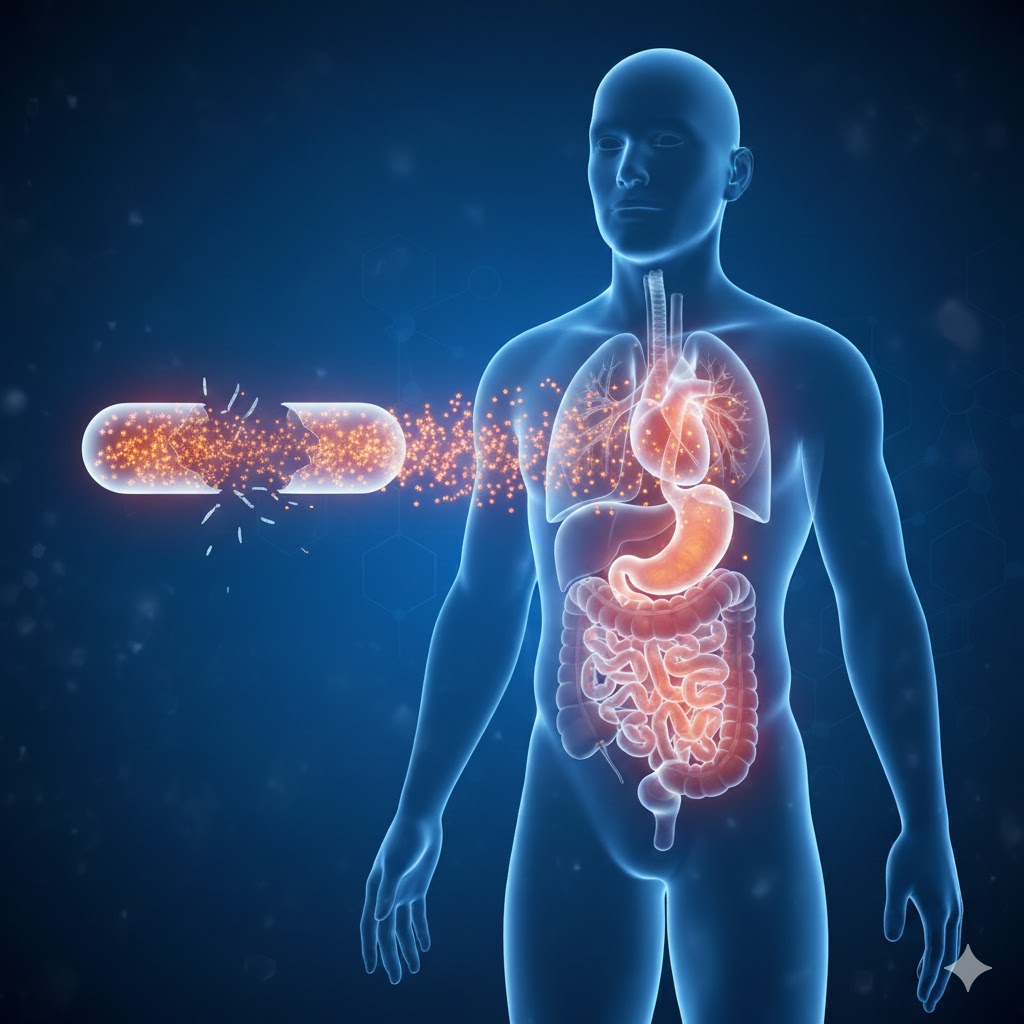
Drug Delivery: Principles, Importance, and Advances in Therapeutic Administration
Drug delivery is the science and practice of administering a pharmaceutical compound to achieve a therapeutic effect, aiming to get the right drug to the right place at the right time. This interdisciplinary field is fundamentally transforming how diseases are treated by controlling the drug’s behavior in the body.
-
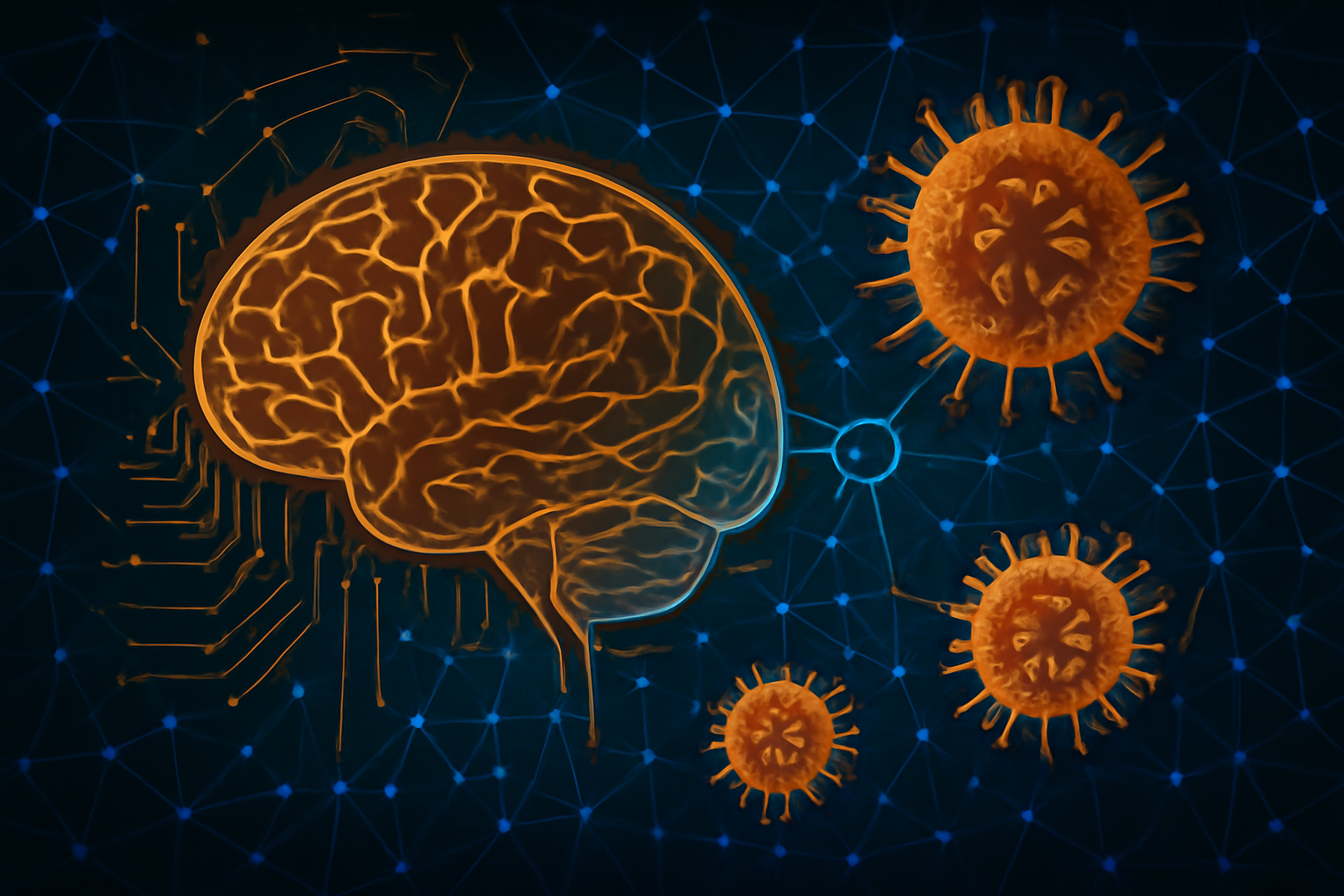
Neuroimmunology Unveiled: The Dynamic Dance of Brain and Immunity
The brain and immune cells are always in dynamic communication, interacting not just when illness or injury occurs, but throughout a person’s life, even in good health. Neuroimmunology explores how the nervous system and the immune system influence each other’s development, balance, and responses, and how their miscommunications can initiate neurological dysfunction.