Category: Biotechnology
-

Xenotransplantation: Can pigs solve the organ shortage?
Xenotransplantation uses genetically-edited pig organs to address the organ shortage crisis. CRISPR knocks out rejection triggers such as alpha-gal and porcine viruses, enabling pig hearts and kidneys to function in humans for weeks. Clinical trials show promise in overcoming immune barriers and zoonotic risks, though ethical debates are still ongoing.
-
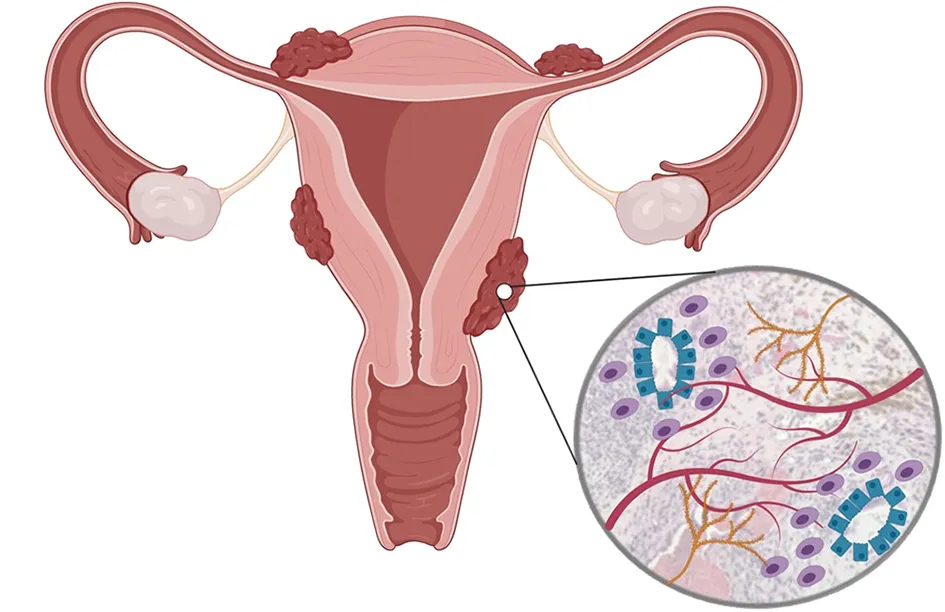
Endometriosis: The Silent Epidemic of Tissue Misplacement
Endometriosis is a chronic condition affecting nearly 190 million people worldwide. It occurs when tissue resembling the uterine lining grows outside the uterus, triggering inflammation and persistent pain. Advances in imaging and artificial intelligence are improving earlier diagnosis and enabling more personalized treatment approaches.
-

Artificial Intelligence Applications in Healthcare and Biology Research
Artificial Intelligence is rapidly transforming healthcare and biology research by helping to analyze vast, complex data, enhancing diagnosis, enabling personalized medicine, and accelerating drug discovery. It optimizes workflows, improves public health responses, and fuels biological research. Safe adoption requires addressing challenges like data privacy, black box transparency, and bias.
-
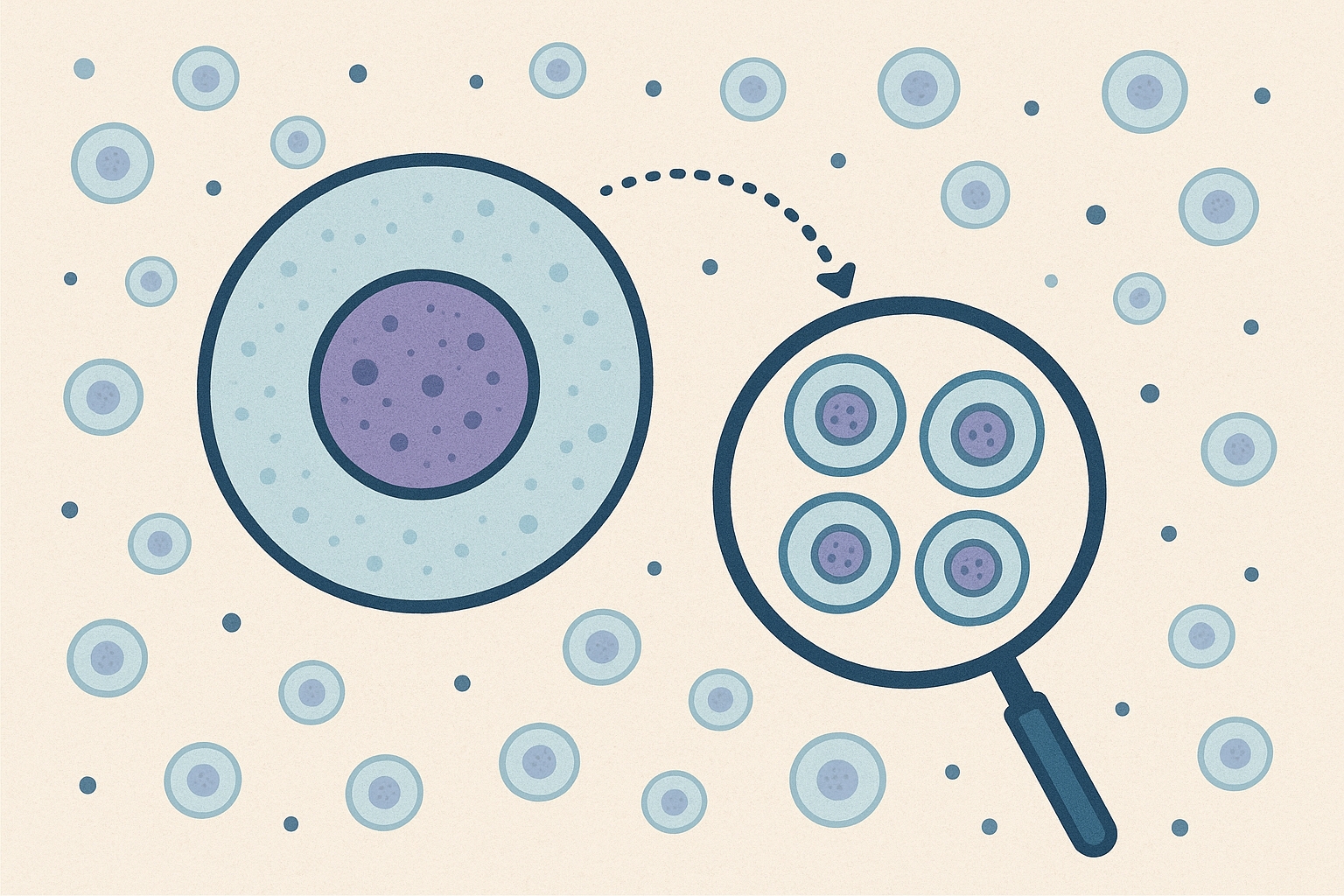
Single-Cell Technology: Unveiling Cellular Heterogeneity for Precision Biology and Medicine
Single-cell technology uncovers an unparalleled degree of cellular heterogeneity by enabling molecular analysis of single cells, in contrast to averaging signals from millions of cells in conventional bulk approaches. This new standpoint has revealed rare cell types, transient cellular conditions, and subtle distinctions that were previously inaccessible.
-
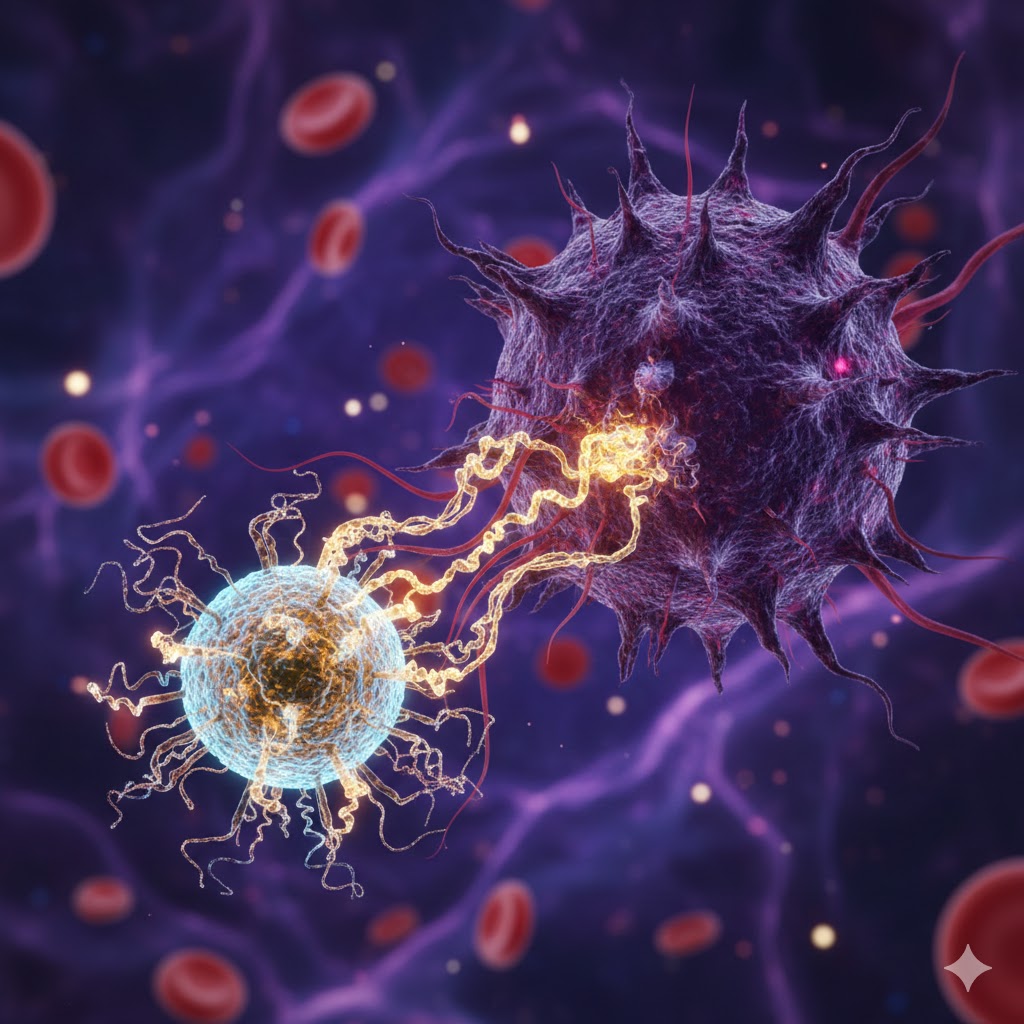
CAR T-Cell Therapy: Reprogramming Immunity to Conquer Cancer
CAR T-cell therapy engineers a patient’s T-cells to target and destroy cancer, offering hope for blood cancers resistant to treatment. Despite challenges like toxicities and high costs, advancements in design, toxicity management, and manufacturing are widening its potential, marking a transformative leap in personalized cancer treatment.
-

3D Bioprinting: Building with Life, Revolutionizing Healthcare
3D bioprinting poses to address problems of organ shortages and is revolutionizing regenerative medicine. It does so by using bio-inks and advanced printing techniques to create living tissues and organs layer by layer. Despite enabling precise tissue engineering, advanced drug testing, and complex disease modeling, it faces major challenges.
-

Immunophenotyping: Decoding Cells by Their Surface Markers
Immunophenotyping is a sophisticated laboratory technique that allows scientists and clinicians to rapidly distinguish between various cell types within a heterogeneous sample. This makes it possible to track their differentiation and activation states and identify abnormal cell populations. Immunophenotyping relies on the remarkable specificity of antigen-antibody interactions.
-
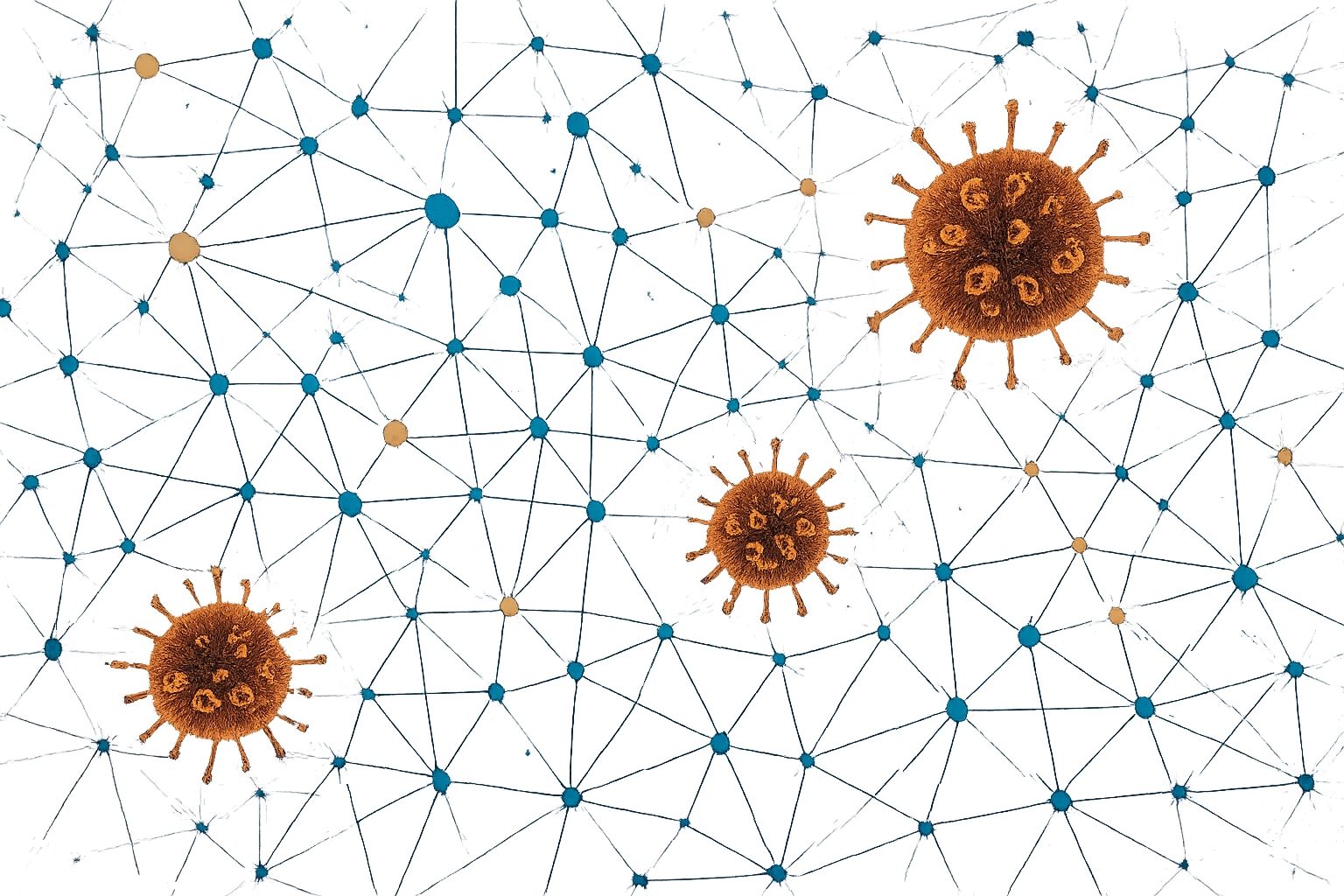
Disease Modeling: Recreating Illness to Conquer It
Has it ever occurred to you how we can study diseases without endangering human lives? Disease modeling makes this possible by recreating illnesses under controlled conditions—whether in cells, animals, or computers—to understand what drives disease and how we might intervene more effectively.
-

Network Pharmacology: A Systems-Level Lens on Drugs and Disease
Network pharmacology is an integrated approach that combines insights from bioinformatics, systems biology, and pharmacology to help us view biological systems as a complex, interwoven network. This, in turn, allows for a more accurate, efficient, and holistic understanding of health and disease.
-
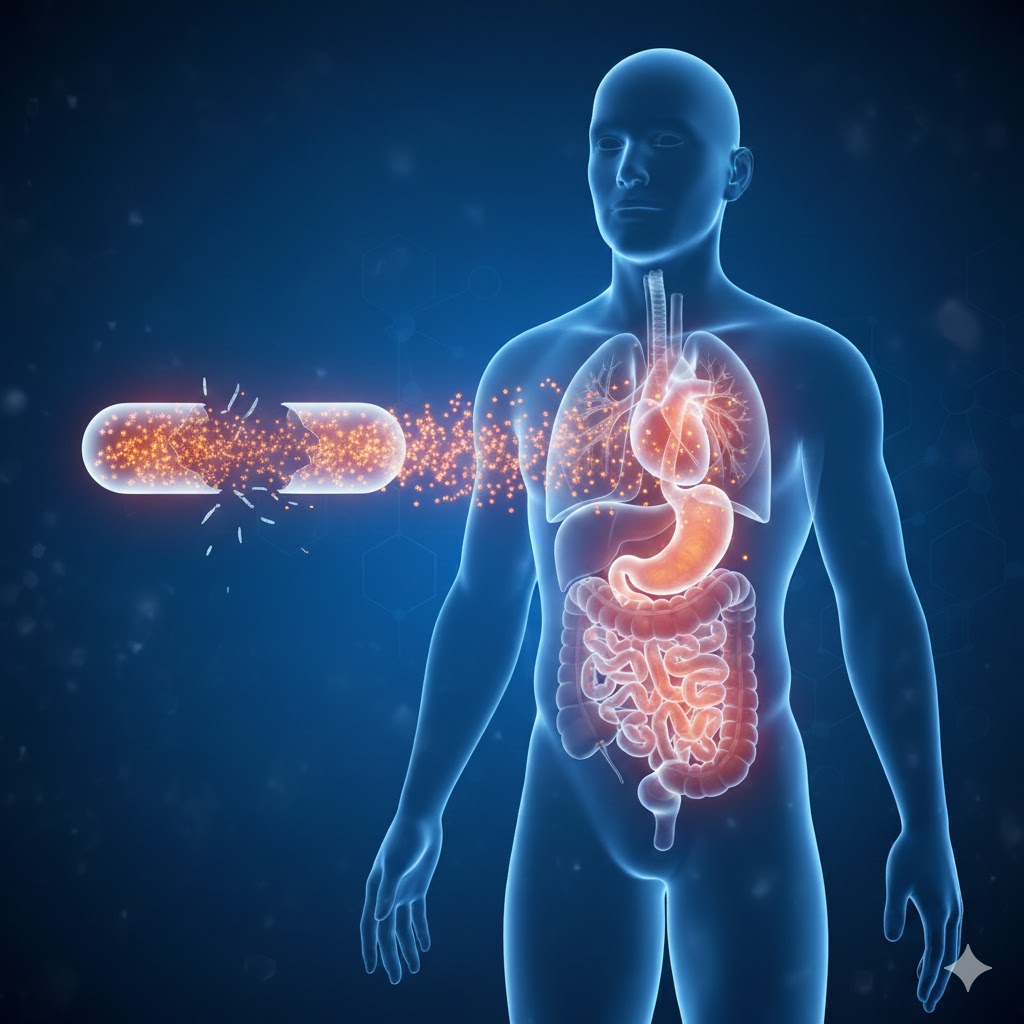
Drug Delivery: Principles, Importance, and Advances in Therapeutic Administration
Drug delivery is the science and practice of administering a pharmaceutical compound to achieve a therapeutic effect, aiming to get the right drug to the right place at the right time. This interdisciplinary field is fundamentally transforming how diseases are treated by controlling the drug’s behavior in the body.