Category: Biotechnology
-

3D Bioprinting: Building with Life, Revolutionizing Healthcare
3D bioprinting poses to address problems of organ shortages and is revolutionizing regenerative medicine. It does so by using bio-inks and advanced printing techniques to create living tissues and organs layer by layer. Despite enabling precise tissue engineering, advanced drug testing, and complex disease modeling, it faces major challenges.
-

Immunophenotyping: Decoding Cells by Their Surface Markers
Immunophenotyping is a sophisticated laboratory technique that allows scientists and clinicians to rapidly distinguish between various cell types within a heterogeneous sample. This makes it possible to track their differentiation and activation states and identify abnormal cell populations. Immunophenotyping relies on the remarkable specificity of antigen-antibody interactions.
-

Network Pharmacology: A Systems-Level Lens on Drugs and Disease
Network pharmacology is an integrated approach that combines insights from bioinformatics, systems biology, and pharmacology to help us view biological systems as a complex, interwoven network. This, in turn, allows for a more accurate, efficient, and holistic understanding of health and disease.
-
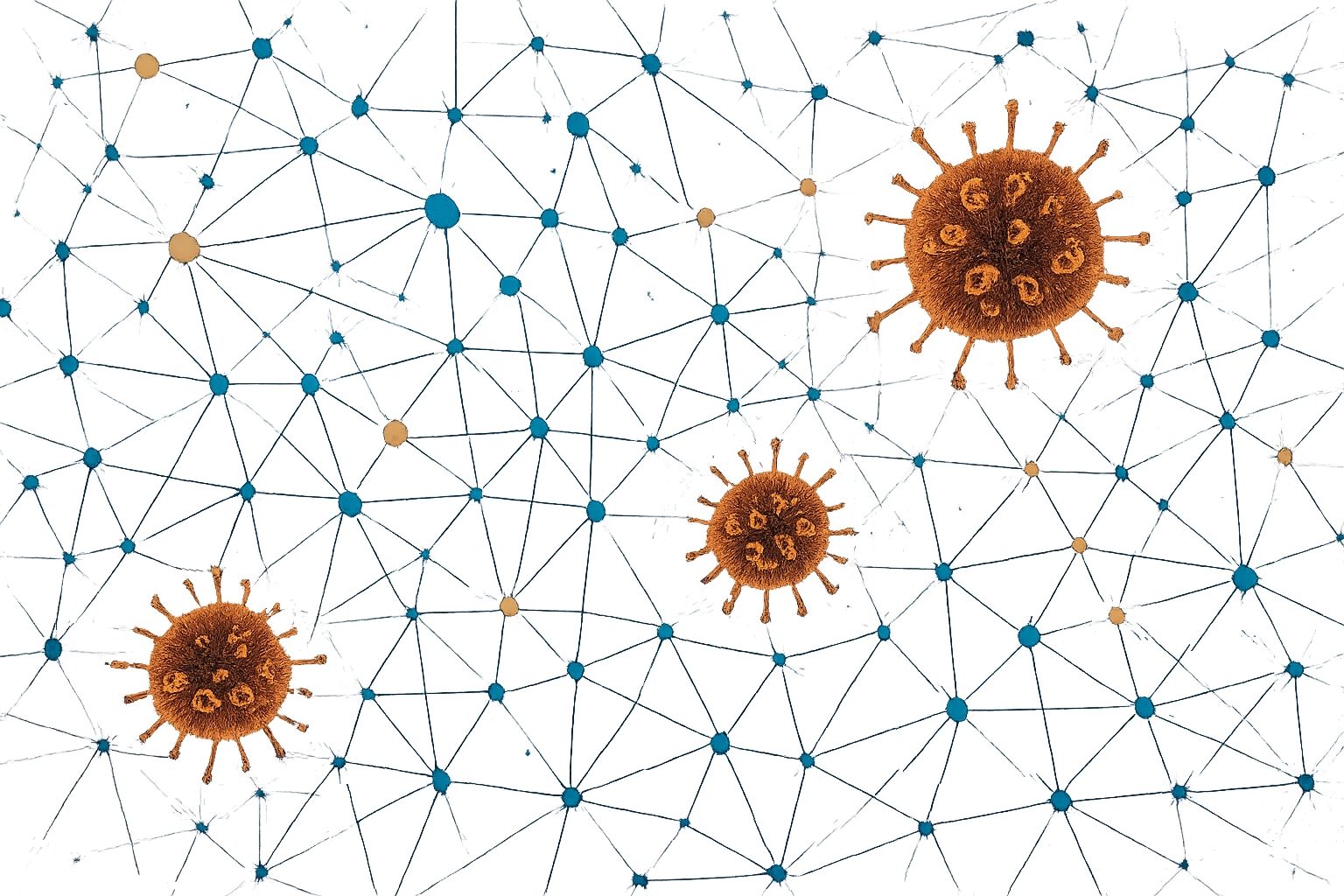
Disease Modeling: Recreating Illness to Conquer It
Has it ever occurred to you how we can study diseases without endangering human lives? Disease modeling makes this possible by recreating illnesses under controlled conditions—whether in cells, animals, or computers—to understand what drives disease and how we might intervene more effectively.
-
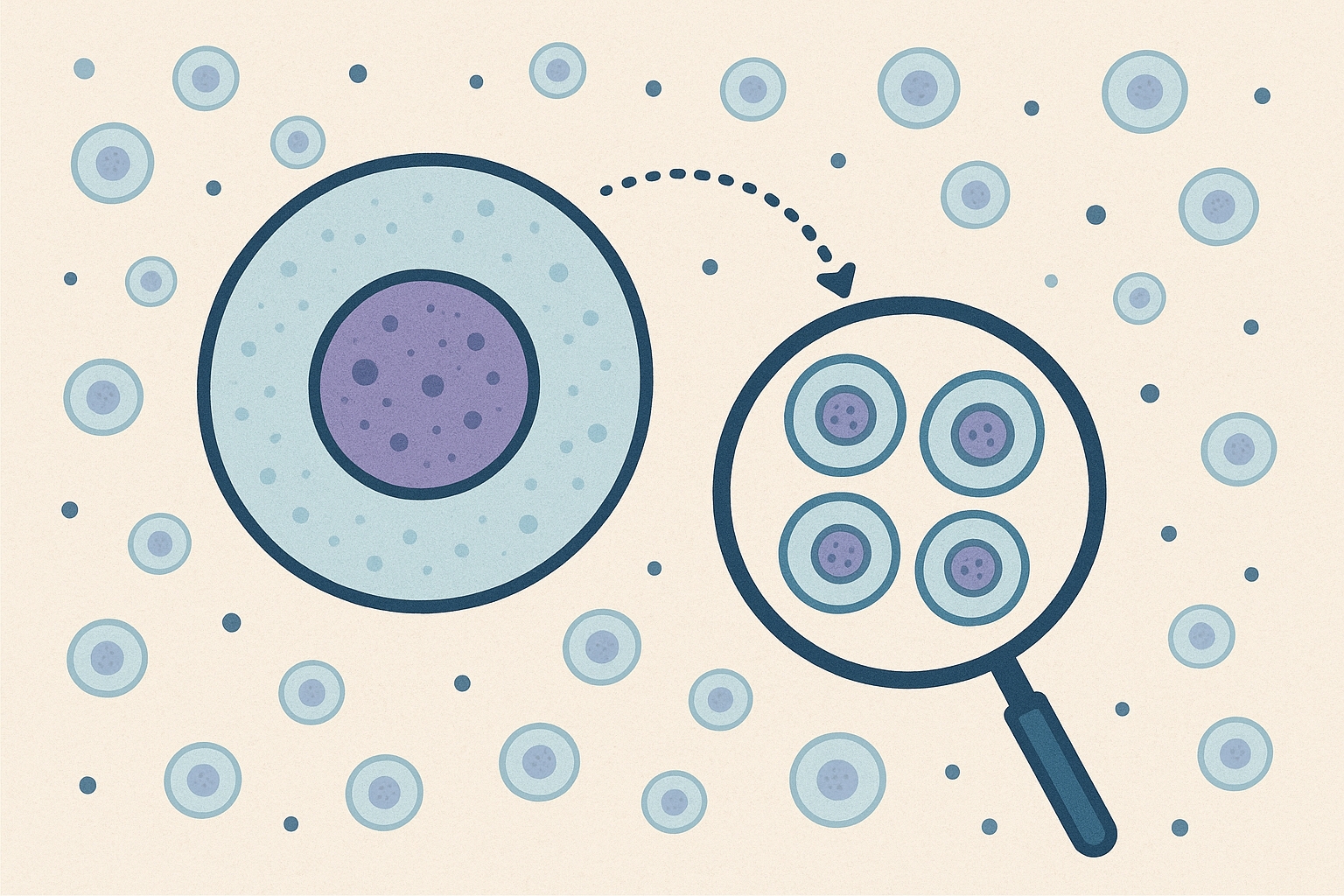
Single-Cell Technology: Unveiling Cellular Heterogeneity for Precision Biology and Medicine
Single-cell technology uncovers an unparalleled degree of cellular heterogeneity by enabling molecular analysis of single cells, in contrast to averaging signals from millions of cells in conventional bulk approaches. This new standpoint has revealed rare cell types, transient cellular conditions, and subtle distinctions that were previously inaccessible.
-
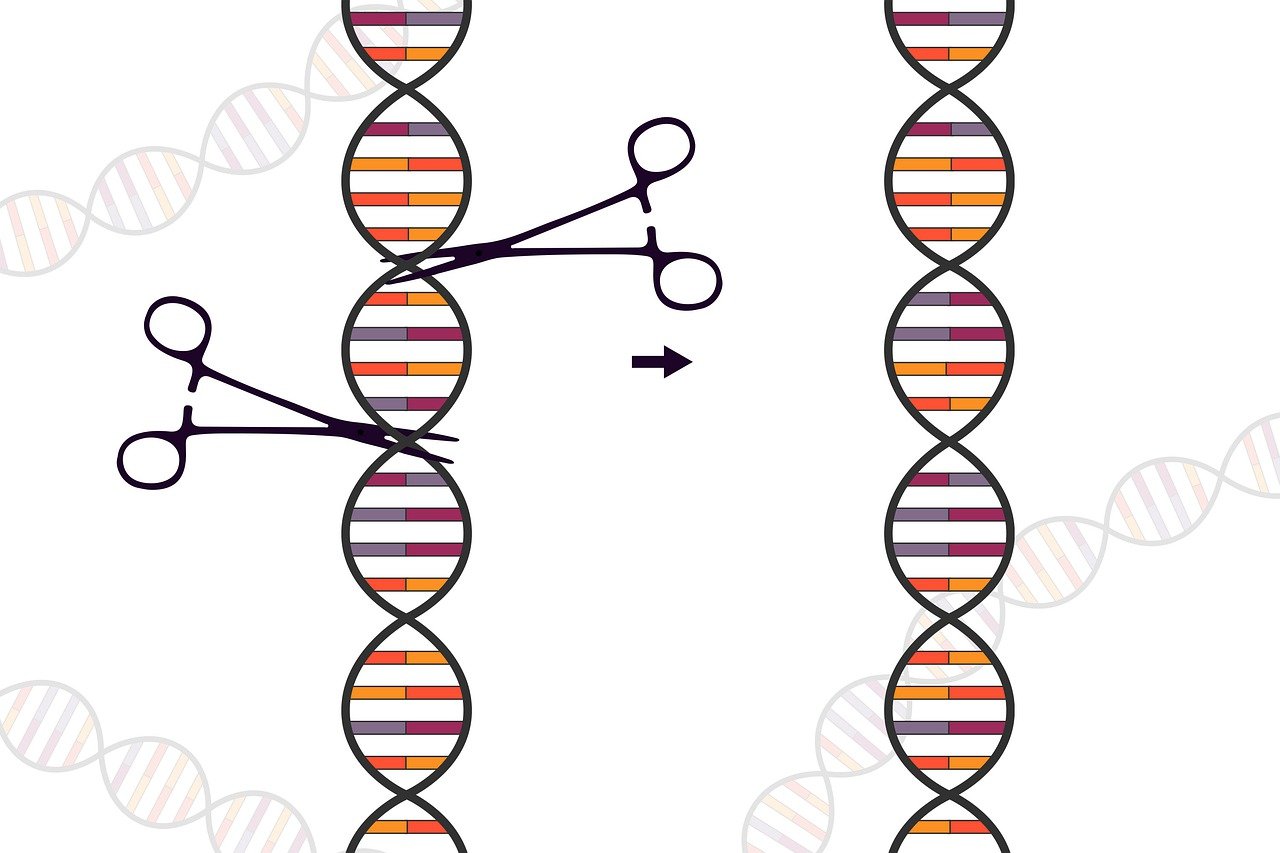
CRISPR-Cas Systems: Microbial Memory Meets Molecular Precision
CRISPR means Clustered Regularly Interspaced Short Palindromic Repeats, while Cas denotes the CRISPR-associated proteins that serve as molecular protectors. Together, they create a living repository and a set of tools for natural, adaptive immune response found in bacteria and archaea. CRISPR-Cas systems also allow us to interpret, compose, and modify the blueprint of life.